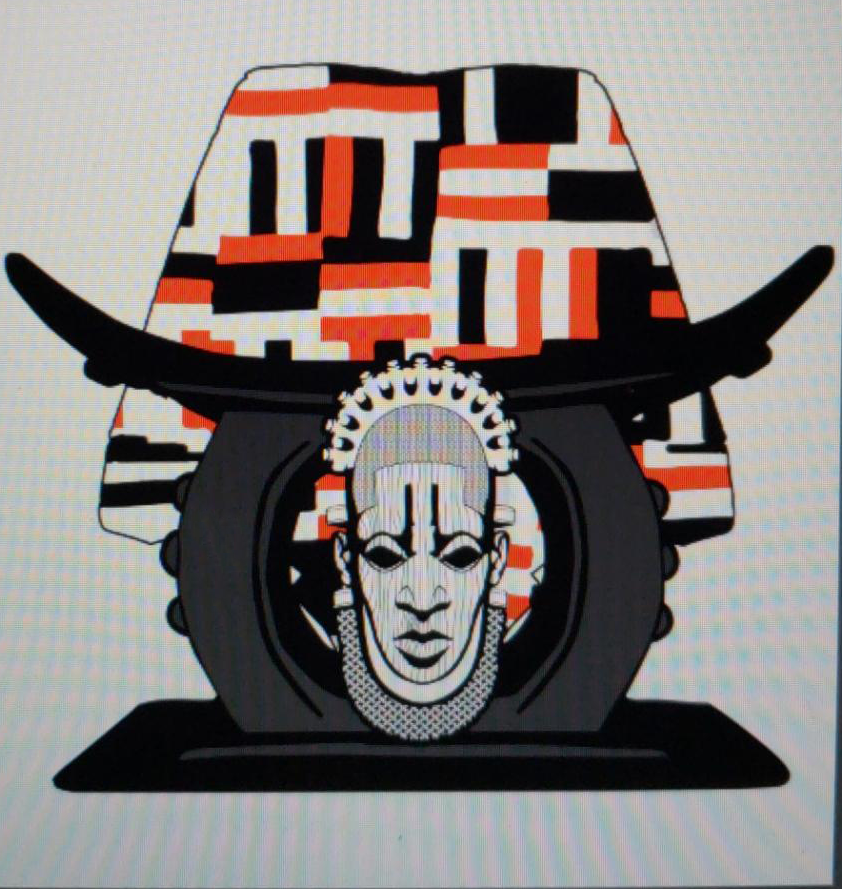
Use this public guide when supporting junior students. It gives the instructional order and public boundary; it does not replace lineage-specific training, private ritual material, or direct elder guidance.
Nemes Crown
Prerequisite: A willingness to build regular stillness, breath, body awareness, and ethical daily structure.
Teach: Begin with meditation and body-breath literacy. Teach empowerment and ascension material only after the student can name the foundation and sustain practice.
Checkpoint: The student can explain the difference between basic cultivation, supported empowerment, and advanced initiation.
Public boundary: Do not present every inner-cultivation practice as mandatory or as a substitute for medical or mental-health care.
Blue Crown
Prerequisite: Basic family remembrance, respectful conduct, and willingness to learn ancestral discernment before seeking advanced ritual.
Teach: Teach stable, unresolved, and Transcendent Dead distinctions before altar, shrine, or service discussions.
Checkpoint: The student can distinguish home veneration from diagnosis, cleansing, shrine responsibility, and priest-guided work.
Public boundary: Do not flatten the dead into one category or disclose private ritual procedures through public lessons.
Red Crown
Prerequisite: Respect for land, body, material conditions, and the distinction between public orientation and house-specific work.
Teach: Start with Dikenga, elemental literacy, and Red House material transformation before presenting deeper Kongo/Palo service paths.
Checkpoint: The student can identify elemental and ancestral work as related but distinct jurisdictions.
Public boundary: Do not treat a public Kongo/Palo overview as authorization for house ritual or initiation.
White Crown
Prerequisite: Cultural literacy and readiness to distinguish archetype, deity, devotion, and social role.
Teach: Use comparative archetypes to orient students, then return each deity system to its own names, history, and practice.
Checkpoint: The student can compare without claiming that culturally distinct deities are interchangeable.
Public boundary: Do not make universal claims about another tradition’s deity, ritual, or authority from a single comparison.
Atef Crown
Prerequisite: Foundational study, ethical discipline, and readiness to treat divination as responsibility rather than entertainment.
Teach: Teach sacred record, destiny, and causal law before the public/manual-to-initiation threshold.
Checkpoint: The student can explain why study, divination, and initiation are different kinds of participation.
Public boundary: Public study does not confer divinatory or priestly authority.