Ka Khepera Shule
Strengthens the physical body through martial arts, emergency preparedness, and yogic practice.
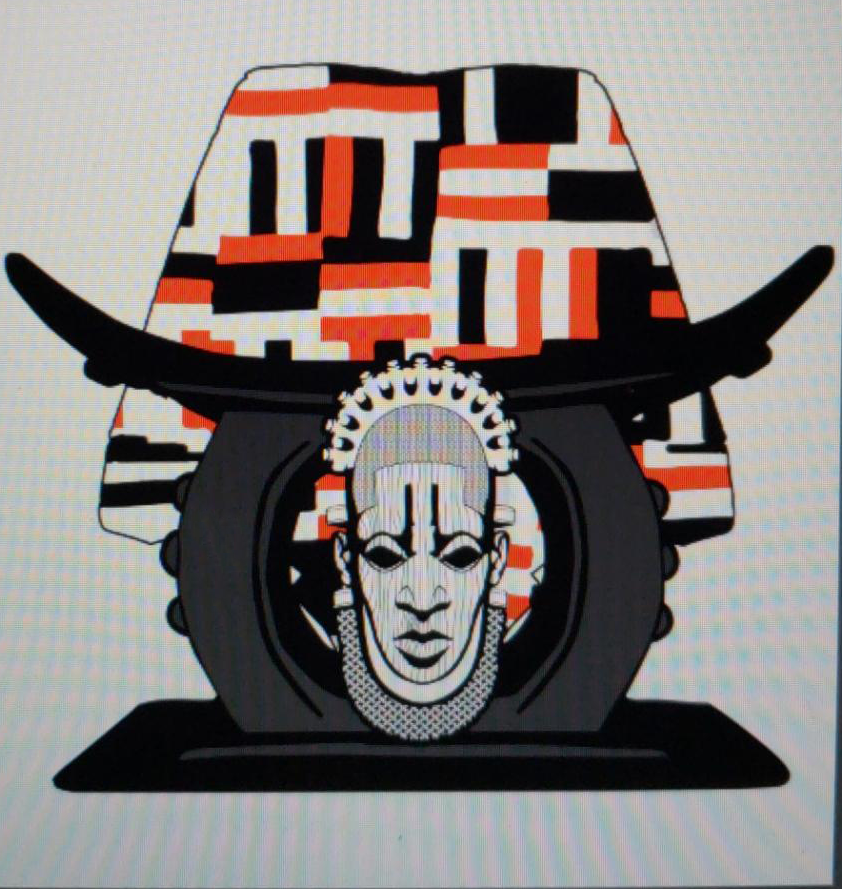
Full Egbe Model
The human being is not a single, flat identity. This model treats the self as a living composite of physical, mental-emotional, ancestral, elemental, and Egbe dimensions that must be recognized, balanced, and integrated into practical harmony.
Many people try to solve spiritual, psychological, or relational problems through only one layer of self. This model resists that fragmentation. It provides a fuller map for development so that healing, discipline, and power do not strengthen trauma in one area while neglecting weakness in another.
The aim is not random accumulation of practices. The aim is ordered integration.
In the wider doctrine, Mystic Communion is the growth-side foundation for building the Body of Light: developing a coherent practitioner through the body, mind, Ori, ancestors, Egbe, elemental self, and destiny rather than becoming narrowly locked inside one tradition.
For the step-by-step reader path, How the Ancestral Egbe Manuals Build the Body of Light shows how meditation opens into the full system arc: Ori, ancestors, Egbe, elemental and Kongo work, Orisa, Ifa, and Odu.
Different houses and streams emphasize different aspects of the work. Together they create a stronger foundation for more esoteric practice.
Strengthens the physical body through martial arts, emergency preparedness, and yogic practice.
Focuses on Ori, aura, and the mental-emotional self.
Emphasizes the ancestral self and the Egbe self.
Centers on the elemental selves through Kongo cosmology and Palo Mayombe sciences.
The manual path gives students a clean order of study before deeper service work. First become still. Then become organized. Then become culturally rooted. From there, the student can enter Ori, ancestral practice, Egbe, the Kongo/Palo layer when called, and Ifa with a stronger foundation.
Read the manual-arc guide to understand why these manuals function as one Body of Light development sequence rather than isolated study products.
The work is organized for students, not only clients. Each track gives a different entry point into the same self-integration model, linking free study, articles, manuals, services, and deeper projects into a usable path.
Cultural and ancestral self
For students rebuilding African-centered identity, historical memory, worldview, and cultural responsibility.
Mental-emotional self
For students beginning with discipline, emotional regulation, relationships, focus, purpose, or life direction.
Ancestral and Egbe self
For students who need diagnosis, cleansing, shrine work, spiritual development, pilgrimage, or initiation.
Orientation and first practice
For students entering through articles, lessons, altar guidance, newsletters, and other free study material.
The vessel that holds and expresses every other dimension of the self.
The realm of Ori and the many internal minds that require balance and alignment.
The living continuity of those who came before, carrying both burdens and inherited gifts.
The layer of self bound to Fire, Water, Earth, Air, and Ether as living powers.
The dimension of spiritual companions, destiny peers, and unseen allies linked to the soul before birth.
These dimensions stack like the stones of a pyramid. Every person enters life with a different arrangement of strength, injury, and underdevelopment across those layers. The work is to recognize your own configuration and cultivate harmony rather than over-identifying with only one dimension.
For African-descended peoples, this often begins with the ancestral self because repairing the roots allows the rest of the structure to stabilize and flourish. The work is sequenced, not random.
Within this model, Ifa is not treated as one more compartment of the self. It functions as the capstone pattern that helps interpret the arrangement of the whole. Through rites such as the Hand of Ifa, a person receives guidance, protection, warnings, taboos, and insight into how the different dimensions of self should interface.
This is why the model matters before advanced initiation. The goal is not to empower confusion or trauma. The goal is to establish enough order that deeper rites have a stable foundation to rest on.
Once the foundation is established, the work can deepen through affiliated streams and houses that intensify particular forms of training and specialization.
If you are entering this work for the first time, begin with structure rather than intensity. The onboarding path, spiritual development membership, and priest services are designed to help people build roots before seeking deeper initiatory power.