The Core Difference
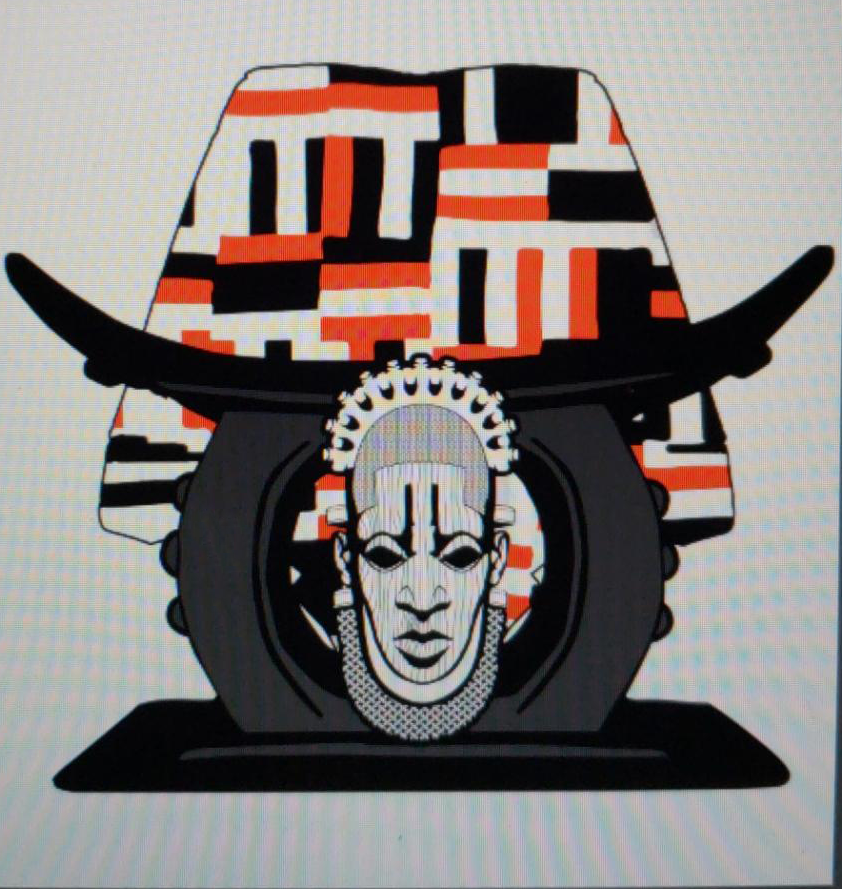
Altars are a meeting place between the physical and the metaphysical. They are also a meeting place between symbol and spiritual action. The key thing with an altar is that the living practitioner brings power to the place of reference.
When the practitioner leaves the altar, there may still be effect, memory, and blessing, but the active portal is not necessarily continuously transmitting. It is like a radio frequency without a transmitter. You are the one who activates the transmitter.
Shrines are different. Shrines are consecrated. They carry a more permanent resonance and continuous active energy. They continue to transmit between reference points and dimensions even when the practitioner is away.
Ritual spaces are broader than both. A ritual space may be a room, a forest clearing, a drumming circle, a fire site, a crossroads, a casting circle, or any designated space where sacred action is performed. It does not automatically mean spirits permanently dwell there or that a shrine has been established.
Altar vs Shrine vs Ritual Space
| Point | Ancestral Altar | Ancestral Shrine | Ritual Space |
|---|---|---|---|
| Basic Nature | A meeting place activated by the living practitioner through prayer, attention, offerings, and intention. | A consecrated spiritual structure that holds a continuous active current even when the practitioner is away. | The broader practice where sacred action happens: temporary or permanent, indoor or outdoor, symbolic or highly structured. |
| Power Source | You bring the power to the point of reference. The altar becomes active when you activate it. | The shrine is spiritually installed, fed, and maintained so it continues to transmit relationship, blessing, protection, or correction. | The power comes from intention, boundary, orientation, ritual action, and any forces invoked inside the space. |
| Best Use | Beginner ancestral practice, remembrance, prayer, offerings, grounding, and family honoring. | Deeper lineage stabilization, priest-guided work, ancestral housing, protection, elevation, and advanced relationship. | Ceremony, meditation, drumming, healing, casting circles, directional work, fire work, or temporary sacred operations. |
| Risk Level | Lower when kept simple, clean, and directed only to known and benevolent ancestors. | Requires more structure because stronger contact, consecration, and spiritual responsibility are involved. | Depends on what is opened. A ritual room is low risk; an invoked circle or veve can require much more discipline. |
Sacred Architecture: The Parts Are Not the Same
Modern spirituality often collapses altar, shrine, circle, veve, ritual room, portal, and sacred corner into one vague idea. Traditional systems usually distinguish them carefully because each part has a different function.
Ritual Space
The space where sacred action occurs. It may be a room, grove, crossroads, circle, fire site, dance ground, or temporary ceremonial area.
Altar
The focus point for prayer, offering, symbolism, remembrance, and devotional action.
Shrine
A living seat of spiritual presence established through consecration, feeding, maintenance, protocol, and relationship.
Casting Circle
A boundary structure that creates containment, protection, focus, orientation, and operational sacred order.
Veve / Firma / Patipemba
A sacred diagram that directs force, calls entities, establishes pathways, and gives spiritual instruction to the ritual setting.
Casting Circles, Directions, and Sacred Diagrams
A casting circle is not automatically an altar or a shrine. It is primarily a boundary structure. It creates containment, focus, protection, orientation, and operational sacred order. The shape may be a circle, oval, triangle, pentagram, crossroads geometry, or another specialized ritual pattern depending on the force, tradition, and objective.
Many circle traditions also call the quarters or directions. East, South, West, and North can be linked to breath, fire, water, earth, guardians, winds, ancestors, or other intelligences. The point is not merely symbolism. Directional calling organizes consciousness and stabilizes the ritual setting.
Veves, firmas, and patipembas go even further. In Vodou, Palo, Kongo, and related ATR-derived practices, sacred diagrams are not decoration. They are ritual architecture. A circle may create the perimeter, but a veve or patipemba gives instruction, direction, pathway, and energetic specificity.
Why This Matters
Sacred power is not accessed only through belief. It is stabilized through structure, relationship, and responsibility. A ritual without structure can become emotionally chaotic. A symbol used without knowledge can open confusion. A shrine built without maintenance can create obligation without discipline.
The issue is not whether something looks spiritual. The issue is what relationships exist there, what forces are invoked, what boundaries are established, and whether the practitioner understands the architecture being created.
Ancestral Shrine Progression
The path is not random. It moves from homemade practice into cleansing, structure, consecration, and then, only when called, priesthood-level responsibility. Prices below use the newer service pricing from the current website.
Ancestral Altar
Homemade meeting place with the ancestors.
Free / home materials 2Basic Spiritual Cleaning
Clears noisy, heavy, or unstable conditions before deeper ancestor work continues.
$128 3Ancestral Shrine Setup
Professional guidance for creating a foundational ancestral shrine at home.
$180 4Tile of Egun / Teja de Eggun
A consecrated priestly surface for Egun feeding, male/female ancestral acknowledgment, and household coverage.
$280 5Ancestral Staff - Opa Iku
A mobile ritual instrument for ancestral communication, invocation, and authority work.
$153 per level / $459 full path 6Egbe Shrine
A three-level companion-spirit shrine path for relationship, installation, and masquerade-level expression.
$600 foundation / $1,200 full shrine path 7Ancestral Priesthood Initiation
Advanced ancestral jurisdiction, lineage responsibility, and priesthood formation.
$2,100When the Shrine Becomes Necessary
An altar may be enough for remembrance, prayer, family honoring, and basic ancestral relationship. A shrine becomes necessary when the work requires a more continuous current: protection, household coverage, priest-guided setup, ancestral housing, elevation, or a stronger point of contact.
An ancestral shrine may also become proactive. A great-grandfather whose nature is protection may warn, guard, or act without being asked because the relationship has been properly housed and maintained. That is different from an altar that only works when the living person comes to activate it.
Do Not Skip Discernment
The question is not only whether you can contact the dead. The question is whether the contact is clean, stable, and ancestral. Study the Ancestral Hierarchy before opening too many doors.
If the condition is heavy or confused, begin with Basic Spiritual Cleaning or diagnosis through an Incarnation Objective Reading.
Choose the Right Next Step
Common Questions
Should I start with an altar or a shrine?
Most people should begin with a clean ancestral altar and consistent practice. Move toward shrine work when the relationship needs structure, diagnosis, priestly guidance, or consecrated support.
Is a shrine always better than an altar?
A shrine is stronger and more continuous, but stronger is not always the first step. The correct question is what level of relationship and responsibility the person is ready to maintain.
Can an altar become a shrine?
Yes, the path can develop from a simple altar into a structured shrine. That development should be guided by consistency, diagnosis, ancestral response, and proper ritual order.
Is a casting circle the same as a shrine?
No. A casting circle is usually a temporary boundary or operational boundary. A shrine is an established seat of relationship that carries ongoing responsibility and maintenance.