Remember the ancestors. Invoke the revolutionary spirit. Continue the work.
Black August is treated here as a month-long revolutionary ancestral observance, not a single commemorative event. Each year can have different local gatherings, lectures, service projects, or memorials, but this page remains the permanent home for the structure.
Black August is not simply a history month. It is a living memorial cycle. Throughout August, Black communities remember moments when African people refused captivity, colonial domination, racial terror, political imprisonment, and imposed power, then acted collectively to change their condition.
For Ancestral Egbe, the month restores the ancestral, ritual, and community-action dimension of that memory. The point is not one central stage or one organization controlling the observance. The point is one remembrance carried through many communities, many fires, and one continuing work.
A gathering may be a public lecture, a family altar, a libation, a study circle, a Haitian revolutionary memorial, a community meal, or a service project. The requirement is simple: remember, teach, and act.
Open the gate. Enter covenant. Organize. Remember the sacrifice. Act.
August 8: Opening the Revolutionary Month
Lion's Gate is not presented as part of the historical origin of Black August. Ancestral Egbe uses the contemporary August 8 symbolism as a ritual threshold for opening the month. The lion signifies courage, sovereignty, guardianship, nobility, strength, and the willingness to stand one's ground.
Local groups may clean and prepare an ancestral or community altar, place names or images of revolutionary ancestors, pour libation, light a central candle, announce the Black August calendar, and identify one concrete community project to complete during the month.
We open the Gate of Black August. We remember those who struggled before us. We call forward courage where there has been fear, organization where there has been confusion, sovereignty where there has been dependency, and collective responsibility where there has been isolation. May memory become practice. Ase.
August 14: Bwa Kayiman
Bwa Kayiman is the spiritual heart of this cycle. The ceremony remembered at Bois Caiman stands in Haitian revolutionary memory as a joining of ancestral consciousness, political organization, religious force, and collective commitment.
The precise details come through later historical and oral accounts, so the page does not flatten every detail into uncontested fact. Its importance is still enormous: it teaches that liberation began before the battlefield. It began when people recognized another authority, recognized one another, recognized their ancestors, and entered covenant around collective liberation.
Within African traditional practitioner memory, one significant point is the veneration of Ogun, the Yoruba deity of iron, war, roads, tools, force, and decisive action. The Bwa Kayiman remembrance is often connected to the sacrifice of a black pig and the calling of war power so farmers, local people, maroons, and the enslaved could organize against the French military, one of the strongest armies in the world at that time. For African traditional practitioners, this station can therefore include righteous veneration of Ogun: asking that the force of war, discipline, courage, and protection serve the sovereignty and righteous defense of Black people.
Communities outside Haitian Vodou do not need to imitate Haitian Vodou ceremony. Haitian houses may observe according to their own tradition. Other groups can hold an ancestral memorial with water, candle, names, reading, libation, and a clear community commitment.
August 17: Marcus Garvey
Marcus Mosiah Garvey was born on August 17, 1887, in St. Ann's Bay, Jamaica. Three days after Bwa Kayiman, Garvey gives the second movement in the Black August cycle. Bwa Kayiman asks whether we will free ourselves. Garvey asks what we will build once we recognize ourselves as a people.
Garvey's contribution was not only racial pride. It was organization at scale: Pan-African consciousness, institution-building, economic self-reliance, African political destiny, and the audacity to imagine a people governing their own future.
Garvey Day should produce something. Every participating group is challenged to build one thing: a business directory, youth mentorship circle, cooperative buying club, African history class, investment circle, language class, mutual-aid fund, elder-support network, or study group.
Marcus Garvey is remembered by continuing the work: organize where there is fragmentation, build where there is dependency, restore African consciousness where it has been scattered, and create institutions where talk has not become structure. Ase.
August 21: Remembering the Revolutionary Dead
Modern Black August arose from the Black prison movement of the 1970s and the remembrance of revolutionary prisoners, especially George Jackson, who was killed at San Quentin on August 21, 1971. Jonathan Jackson had died the previous August during an attempted courthouse action connected to imprisoned revolutionaries.
This station keeps the observance accountable to its modern root. Black August must remember political prisoners, prison organizers, Black liberation workers, those killed in struggle, and those imprisoned for struggle, while placing them inside the longer August archive of African resistance.
Black August Profile
George Jackson, Jonathan Jackson, and Revolutionary Memory
Jonathan Jackson is remembered in Black August as the younger brother who tried to intervene in the struggle around George Jackson and the Soledad Brothers. His death on August 7, 1970, became one of the grief points that shaped the month. He is important, but the center of this remembrance remains George Jackson: the prisoner, writer, organizer, and revolutionary thinker whose life exposed the prison system as a front line of racial and political control.
George Jackson entered prison as a young man and developed into one of the most important voices of the Black prison movement. His letters and political study turned confinement into a place of discipline, analysis, and resistance. Black August remembers him not only because he died violently at San Quentin, but because he became a symbol of what happens when consciousness, study, courage, and sacrifice meet inside conditions meant to break the spirit.
Recommended Reading
Black August History
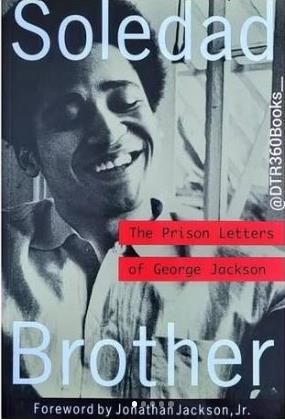
Soledad Brother: The Prison Letters of George Jackson
By George Jackson
Recommended for understanding George Jackson, the Soledad Brothers, prison struggle, and the political memory that shaped the modern Black August observance.
The book gathers Jackson's prison letters into an uncompromising indictment of racism, incarceration, and the prison system in America. It also shows a man taking a stand while locked down, making it essential reading for the Black August lineage of study, discipline, resistance, and revolutionary memory.
August 22-31: Carry It Into the Community
The uprising in northern Saint-Domingue followed days after Bwa Kayiman, beginning August 22-23, 1791. That gives this cycle its governing metaphor: the ceremony cannot remain in the forest. It must enter society.
Revolutionary work is not only protest. It also means building the conditions under which a people can survive, educate themselves, organize resources, protect their children, care for their elders, and determine their future.
Neighborhood cleanup or food distribution
Political-prisoner letter writing or book drive
Youth African-history event or Saturday school
Black business purchasing day or business directory
Health screening, martial arts, or self-discipline workshop
Elder oral-history recording or family genealogy work
Community garden, mutual-aid fund, or cooperative economics meeting
Men's and women's healing circles
African spiritual heritage lecture or study circle
Other Black August Memory Points
These dates help the page speak the wider Black August cycle without reducing every event to the same origin story. Some come from the modern prison-struggle observance; others are aligned here as ancestral and Pan-African memory points that strengthen the month-long practice.
August 7, 1970
Jonathan Jackson and the Courthouse Action
Jonathan Jackson, George Jackson's younger brother, died during the Marin County courthouse action connected to the Soledad Brothers. In Black August memory, Jonathan represents family loyalty, youth courage, and the cost of trying to confront the prison system directly.
August 11, 1965
The Watts Rebellion Begins
The Watts Rebellion, also known as the Watts riots, began on August 11, 1965, in the Watts neighborhood of Los Angeles. It became a six-day period of civil unrest in response to police brutality, racial pressure, and socioeconomic hardship.
August 14, 1791
Bwa Kayiman
Bwa Kayiman marks the spiritual and political covenant remembered at the root of the Haitian Revolution. It keeps Black August tied to African sacred resistance, collective oath, and liberation before the battlefield.
August 17, 1887
Marcus Garvey Is Born
Marcus Garvey's birthday brings institution-building into the month: Pan-African organization, economic self-reliance, African destiny, and the demand that Black people build structures of sovereignty.
August 21, 1971
George Jackson Is Killed
George Jackson was killed at San Quentin. His life, prison writings, political development, and death became central to the modern Black August observance and to the remembrance of political prisoners.
August 21, 1831
Nat Turner's Rebellion Begins
Nat Turner's Rebellion was a slave revolt that began on August 21, 1831, in Southampton County, Virginia. In the Black August timeline, it widens August 21 beyond the prison-struggle lineage and places George Jackson's memory inside a longer history of African resistance to captivity.
August 22-23, 1791
The Haitian Uprising Begins
The uprising in northern Saint-Domingue followed Bwa Kayiman and shows the movement from ceremony into organized action. For this page, it anchors the final movement of the month: memory must become work.
Black August 2026 Materials
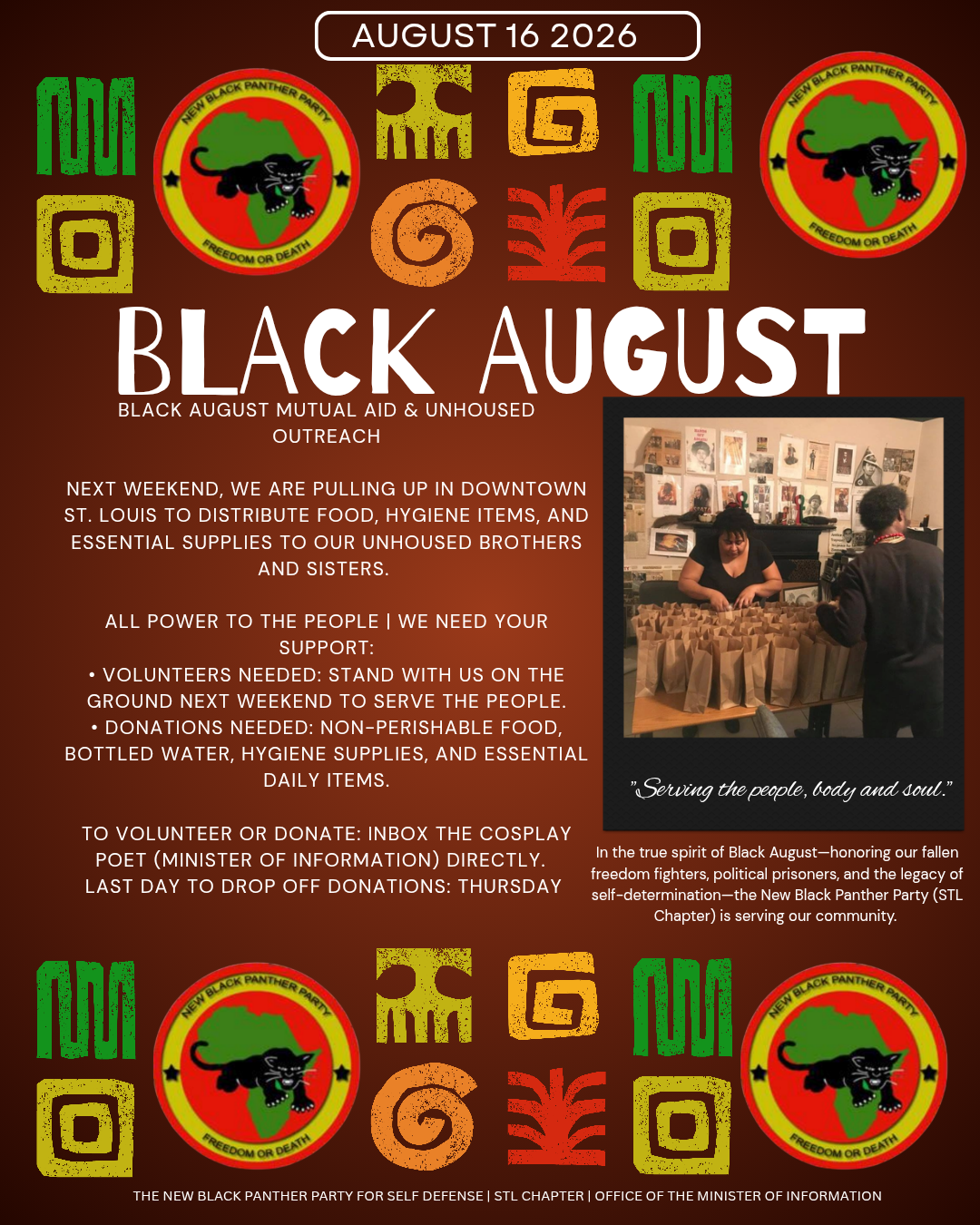
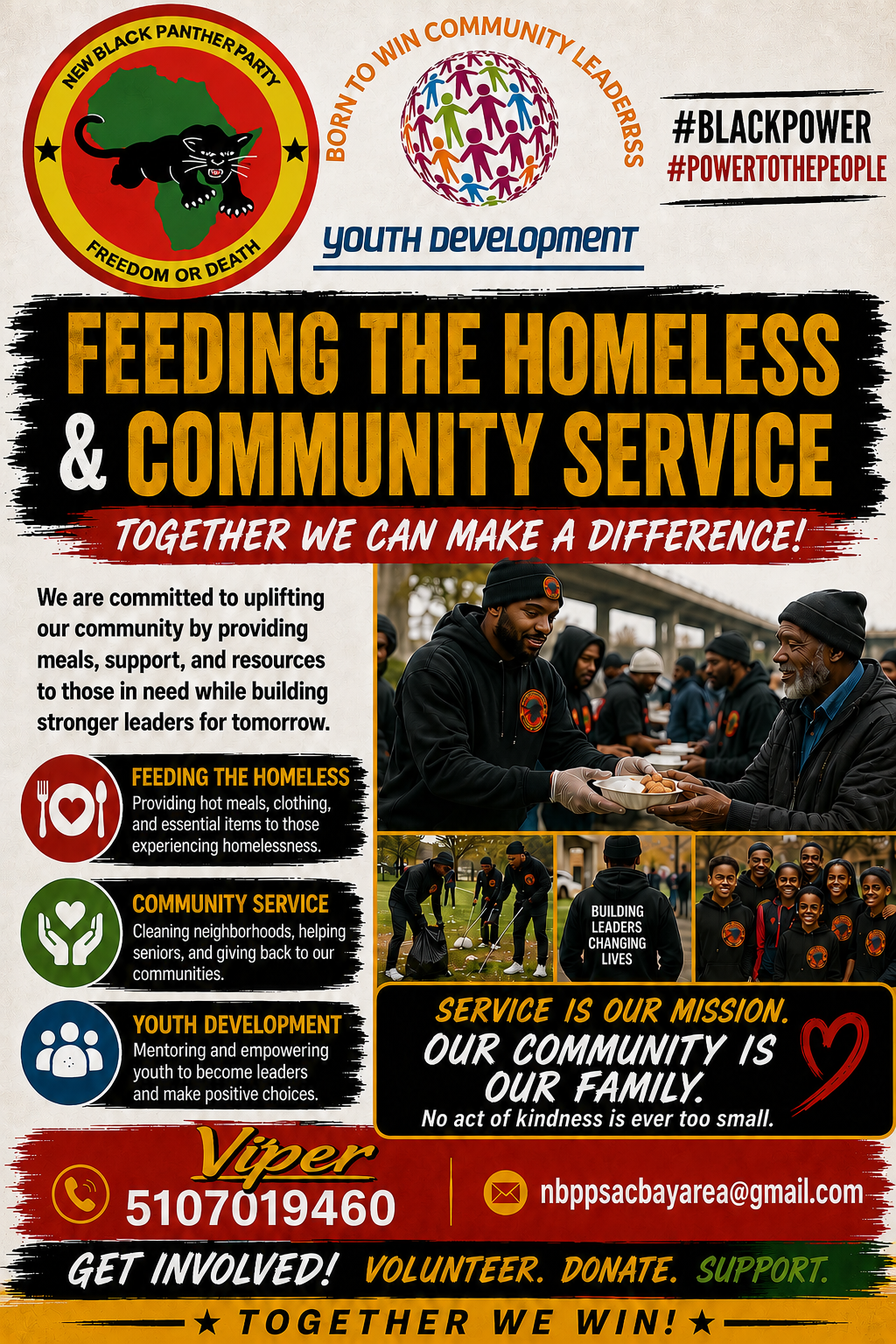
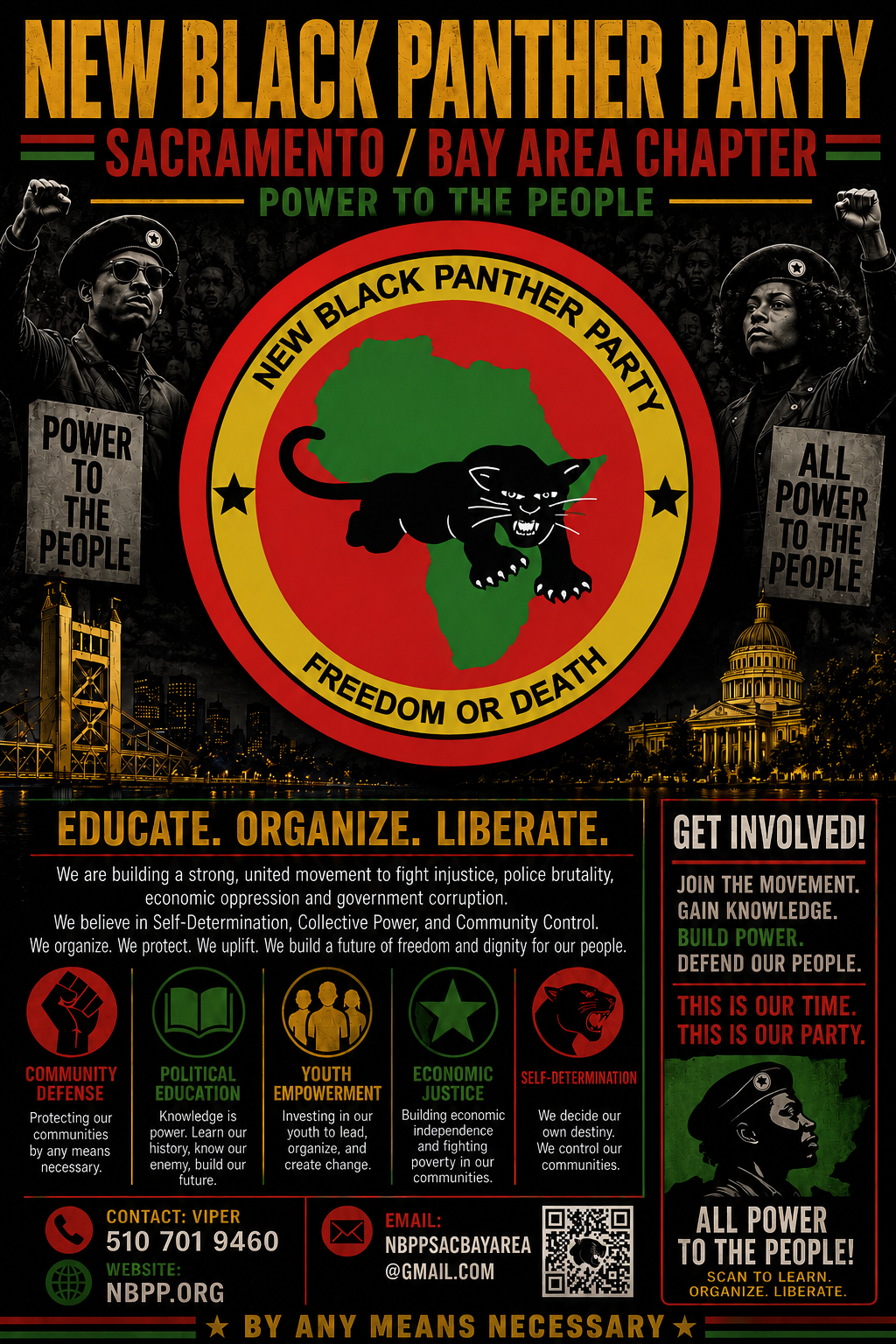
These 2026 materials show how the permanent Black August structure can become practical local work: mutual aid, community defense, political education, youth development, court support, and public organizing. Future years can replace or add to this section while keeping the main Black August page stable.
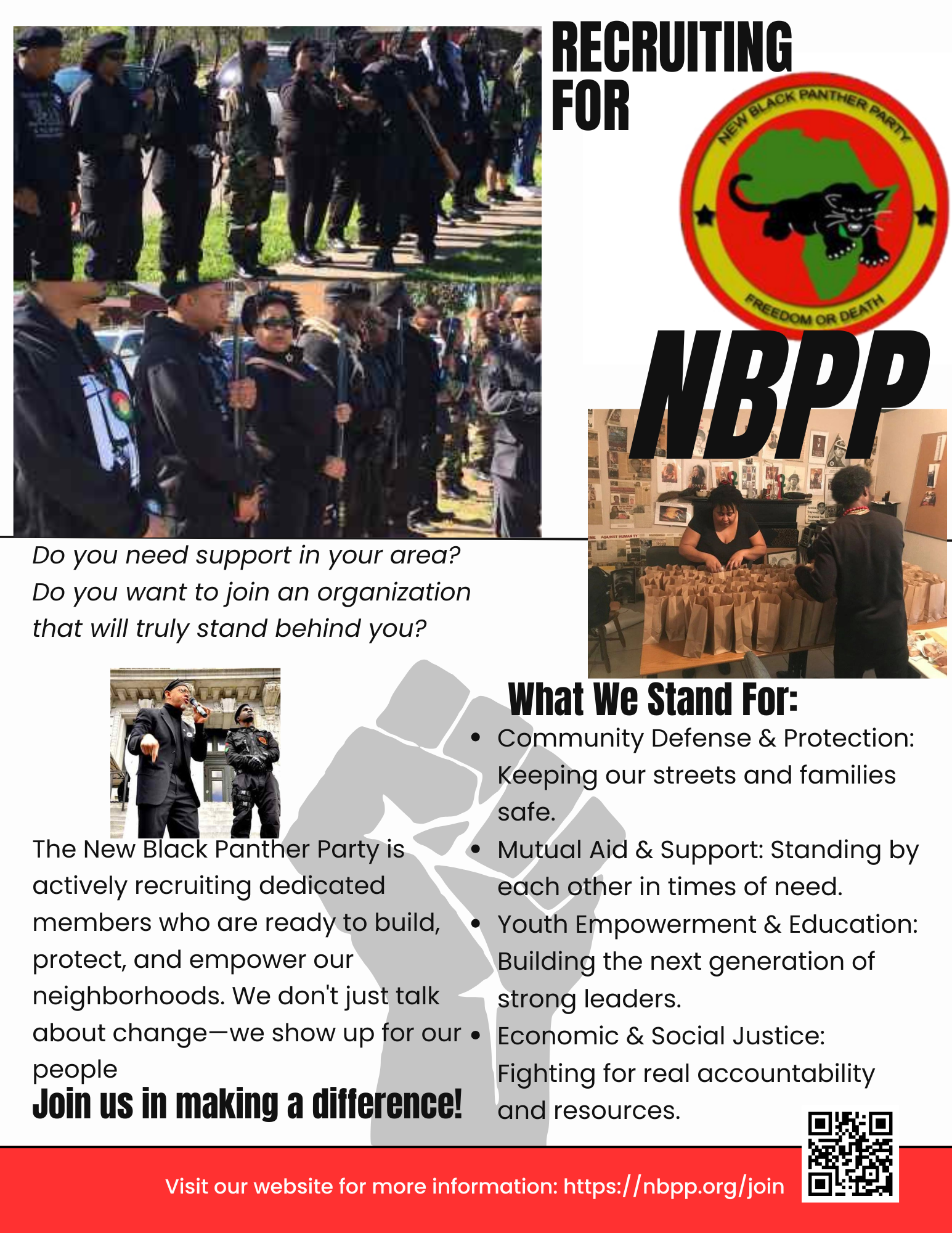
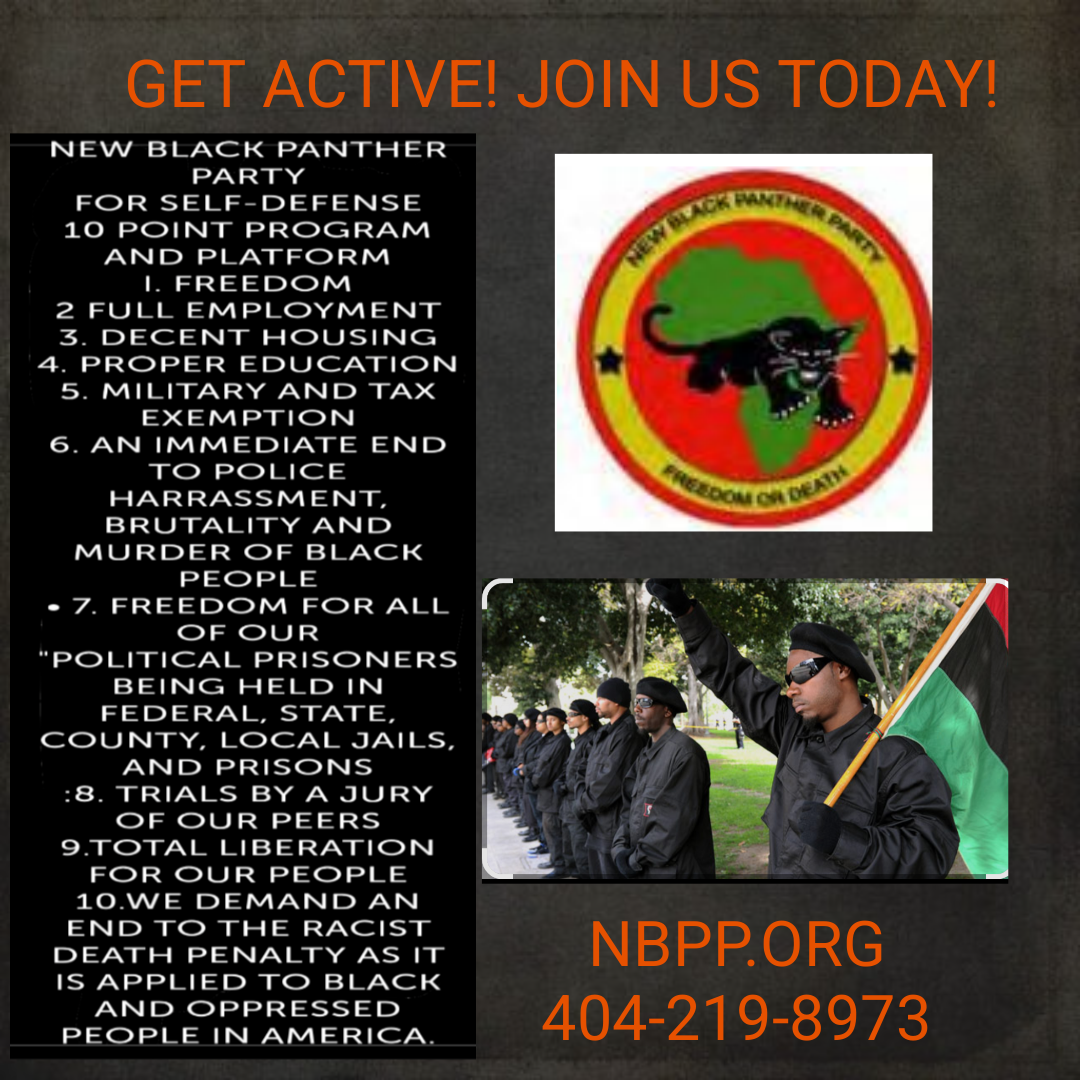
Black August Mutual Aid and Unhoused OutreachSt. Louis chapter flyer centering food, hygiene supplies, volunteer support, and service to the people.Feeding the Homeless and Community ServiceCommunity-service flyer emphasizing meals, essential support, youth development, and volunteer action.Educate, Organize, LiberateSacramento and Bay Area chapter flyer connecting community defense, political education, youth empowerment, economic justice, and self-determination.Kansas City Self-Defense RecruitingKansas City chapter flyer focused on self-defense training, protection, and rebuilding children and communities.Recruiting for Community DefenseRecruiting flyer describing community defense, mutual aid, youth empowerment, education, and economic and social justice.Ten Point Program and PlatformRecruiting flyer presenting a ten-point platform and call for people to get active.Karmelo Anthony Court HearingsPublic-hearing flyer shared as part of the 2026 Black August organizing materials.
Yearly Black August Event Links
This permanent page can support different Black August events each year. Annual event pages, replay pages, flyers, organizer packets, and community reports should link back here so the public always understands the larger cycle.
We remember so that memory becomes power. We honor our revolutionary ancestors not by freezing them in history, but by continuing the unfinished work of African liberation, sovereignty, healing, and reconstruction.
We inherit their victories. We inherit their unfinished responsibilities. We commit ourselves to study where there is ignorance, organize where there is fragmentation, build where there is dependency, protect where there is vulnerability, heal where there is injury, remember where there has been erasure, and act where action is required.
From Bwa Kayiman, we inherit covenant. From Marcus Garvey, we inherit organization. From Black August, we inherit revolutionary memory. From our ancestors, we inherit the responsibility to continue.