
Pan-African Ancestral Egbe · October 15, 2026
Five Crowns, Living Culture, and a Clearer Path of Study
Peace and love, family. Our work is not simply to collect spiritual information. It is to understand what we are practicing, where it comes from, what it asks of us, and how it can support a life of greater awareness and responsibility.
One of our longstanding teachings is that the best way to protect a culture or tradition is to live it and practice it.
This month's focus is the Five Crowns: a map for finding the appropriate doorway into a rich body of work without having to learn everything at once. Alongside that map, we are bringing historical and cultural study into clearer relationship with spiritual development, sustaining community connections, and looking toward the season of ancestral remembrance.
Thank you to everyone who reads, participates, shares, asks questions, and supports this work. Your engagement helps make this a living community rather than a shelf of information.
Feature Focus
Five Crowns, distinct jurisdictions
The Five Crowns are not five interchangeable names for the same spiritual work. Each identifies a jurisdiction with its own relationships, practices, knowledge and initiatory responsibilities:
- Nemes: inner cultivation, meditation, body, breath, energy and Ori alignment.
- Blue: ancestors, Egbe, Egungun, lineage, elevation and communal responsibility.
- Red: Kongo/Palo, the elements, land, protection and material transformation.
- White: Orisha and cultural deity systems, sacred archetypes and their distinct traditions.
- Atef: Ifá/Fá/Afa, Odù, destiny, divination, wisdom and causal law.
Participating in a jurisdiction does not mean someone already holds its Crown. In our framework, receiving the priestly initiation means receiving a metaphysical Crown. Crown level one therefore means a beginning priest, not a beginning student. A practitioner can develop within a jurisdiction before reaching that threshold, and a person can have different levels of accomplishment in different systems.
The map is an introduction, not an instruction to rush toward initiation or collect titles. Start with the work actually before you. The Five Crowns guide gives the orientation; Reader Journeys helps organize a question into a useful reading path. Relevant manuals and services remain available from the linked paths without requiring you to finish the entire library first.
Beyond the Crowns: the map does not stop at priesthood
The public introductory map is deliberately simple. Beyond the Crowns offers a second-stage discussion for readers ready to understand advanced attainment, Jewels, system mastery and authority without overloading beginners.
A Crown can develop after priestly initiation. That development is not identical in every jurisdiction, and some advanced attainments can be received before a Crown when their appropriate prerequisites have been met. A Jewel, an initiation, a Crown rank and a responsibility are related records of development, not interchangeable words. The public introduction and advanced guide also sit alongside the deeper paid research discussion for those who want greater detail.
Our martial-arts roots help illuminate this distinction: receiving a black belt is a stable foundation from which advanced development can continue. It does not mean every black belt has the same specializations or is automatically responsible for running a school. The analogy helps orient the reader; it does not erase the distinct requirements of a spiritual tradition.
Culturally literate priests, not initiation without context
Spiritual study belongs beside the history and culture of the people who carry it. Someone entering Ifá should encounter the historical and cultural worlds of Ifá/Fá/Afa; someone entering Congo-derived elemental work should encounter Congo history and the peoples whose traditions have carried that work through disruption and diaspora.
Our developing student structure pairs shared foundations with jurisdiction-specific learning. The aim is culturally literate priests: people who understand more than the name of an initiation or the power they hope to receive. Historical understanding, cultural responsibility, practice and service belong in the same conversation.
We are developing a student study layer to connect assigned reading, permanent reading records and assessment. It is still undergoing verification; this issue does not announce it as available. A reading record shows what someone has marked or engaged with; a quiz gives a separate indication of understanding. Neither automatically establishes initiation readiness or spiritual authority.
A clearer shared language for spiritual development
We have synchronized seven core terms in the Operations glossary with our website vocabulary: Initiatory record, Student Development, Functional authorization, Priesthood, Hand of Ifa, Ngueyo, and Shamanic practice. These distinctions help us record what someone has received, what they are studying, and what responsibilities they are recognized to carry without treating those as interchangeable. Ngueyo is the house's correct term for the first Palo initiatory degree; the earlier incorrect label has been removed from the database glossary.
Explore the website glossary and spiritual jurisdictions guide for the wider framework. This terminology update is not an announcement that the developing student portal is ready for public use.
Selected Reading
History, relationships and discernment
Keep the study manageable. Choose one piece that addresses a real question, then follow the supporting path when it is useful.
- Four Turns of the Great Wheel: sacred time, long historical memory and the house's wider interpretive framework. Read its evidence distinctions as carefully as its larger thesis.
- The Guru–Devotee, Teacher–Student, Godparent–Godchild Dynamic: a comparative discussion of spiritual instruction, relationship, exchange, hierarchy and responsibility. Different traditions cannot be understood by assuming they all use one social model.
- Medicine Wheel, Dikenga, and the African World Traveler Doctrine: a comparative study of cycles and cultural memory that distinguishes the house's doctrinal interpretation from a claim that distinct peoples' traditions are interchangeable.
Community Spotlight
The Village Community Network
In September we introduced The Village Community Network and promised to return to its work. Its central question deserves sustained attention: what becomes possible when people can meet basic needs through dependable relationships within their own community?
The Montclair-area network brings mutual aid, shared resources, creativity and neighborhood participation into the same space. That reflects an important social dimension of ancestral responsibility. Healing is not only an individual or ceremonial undertaking; it also includes the practical ways people support one another, share what they can offer, and build a community capable of responding to need.
The Village Community Network profile introduces that work. This is a continuing organizational spotlight, not a new announcement of September's past gathering.
Charitable Update
Clifford Alford Lodge No. 165: Help Us Do More
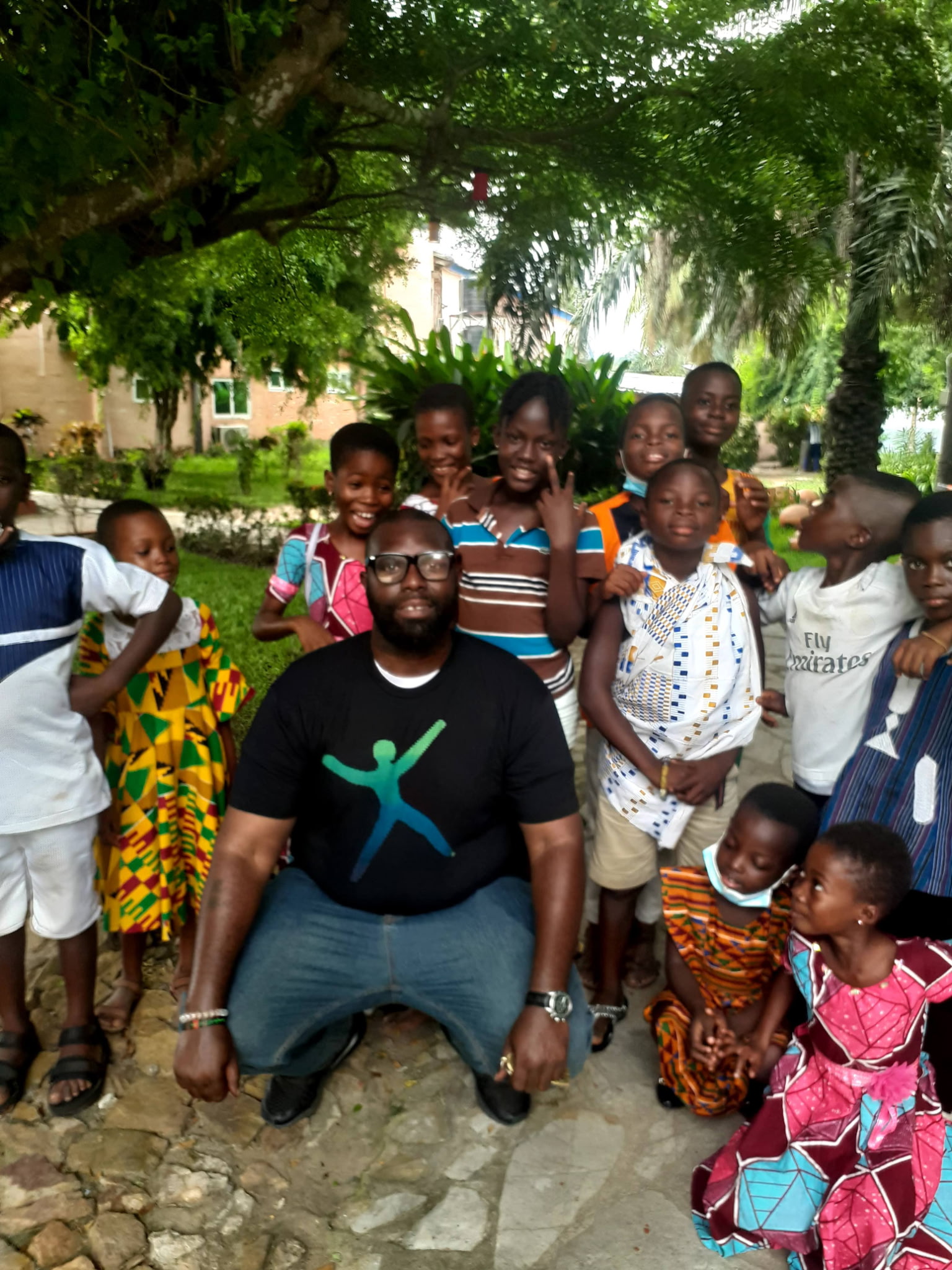
Support Brother Mils’s Pop-Up Store and help Clifford Alford Lodge No. 165 continue its Lodge programs, community service, and charitable efforts. 50% of each purchase benefits the fundraiser.
That charitable work reaches across the Atlantic. Brother Demetrius Eley of Clifford Alford Lodge No. 165 and his nonprofit, Daraja of Love, are reconstructing a school in Akosombo, Ghana. During summer 2026, the Lodge donated funds to help secure a new roof and purchase supplies and other project materials.
Help us build on that work. Thank you for supporting our Brotherhood and the communities we serve.
Yorùbá language: living culture, shared learning
Our partner, the Yorùbá Language Program, reports that live classes resume this October with Unit 6: Practical Grammar-in-Use. Taught by Olùkọ́ Ifakolade Sangodamilare, the unit connects sentence patterns, questions and time markers with proverbs, praise poetry (oríkì) and Ifá wisdom. Recordings and study guides support returning learners as they revisit Units 1–5.
A new family-learning guide explains how parents and older children can study together. The curriculum serves teens and adults; younger children can participate through a parent's study rather than independent enrollment. Ifá Scribe supports practice between classes through tonal transcription, spoken verses and study assistance.
The program's new partnership page recognizes Ancestral Egbe and Baba Shakara's work as a business consultant and educator. It also introduces institutional learning, learner sponsorship and cultural collaboration opportunities. Explore the Yorùbá Language Program for current classes, partnerships and enrollment. Registration and purchases take place directly on the YLP website.
Ifá Scribe: six voices for study
In its October 13 update, Ifá Scribe announces six Companion study personas: Ọ̀rúnmílaNet, a broad Ifá study partner; Ọmọ Awo, a verse coach; Onímọ̀ Èdè, a Yorùbá linguist; Ọmọ Ìpadà, a diaspora homecoming guide; Onísègùn, an herbal-study guide; and Ọ̀mọ̀wé, a philosophy and ethics discussion partner. Learners can choose a voice suited to the question before them, from memorization and tones to identity and metaphysics.
The provider also reports new Orator speech options and a choice between analytics consent and essential-only cookies. Companion access is listed from the Àṣẹ Standard tier at $15 per month, with curriculum-aware access for eligible program students. These are AI study aids; herbal content is educational, and study support complements qualified teachers and practitioners. Visit Ifá Scribe for current access, pricing and privacy details. Mobile apps are described as in development.
Àràbà’s Word of Wisdom: Daily Provision, Steady Character
Chief Àràbà Awódìran Àyìndé Ọ̀kánlàwọ́n Agboọlá’s October teachings remind us that prosperity requires daily attention. In the October 12 reading of Ìrosùn Agbè / Ìrosùn Ogbè, Ọlọmọ Ajíkawó seeks provision for the present day. The lesson is to work, account carefully for what comes into our hands, distinguish genuine needs from appetite, and preserve the character that makes prosperity worth having.
The accompanying readings deepen that discipline: the Leopard’s story joins strength with ẹbọ, while Ifákọ́ládé’s hardship asks us to remain faithful when relief is delayed. Together they call us toward good character, gratitude, offering and patient effort. This month, consider what you can manage more responsibly, what you can give, and which daily practice deserves renewed commitment.
Editorial summary of Ìròyìn Àràbà, Issue 003, October 2026, supplied by the owner; not a verbatim quotation. Chief Àràbà is the Àràbà of Òwòròǹṣòkí, Lagos, Nigeria.
Community media shout-out: Black Talk with Doshon Farad
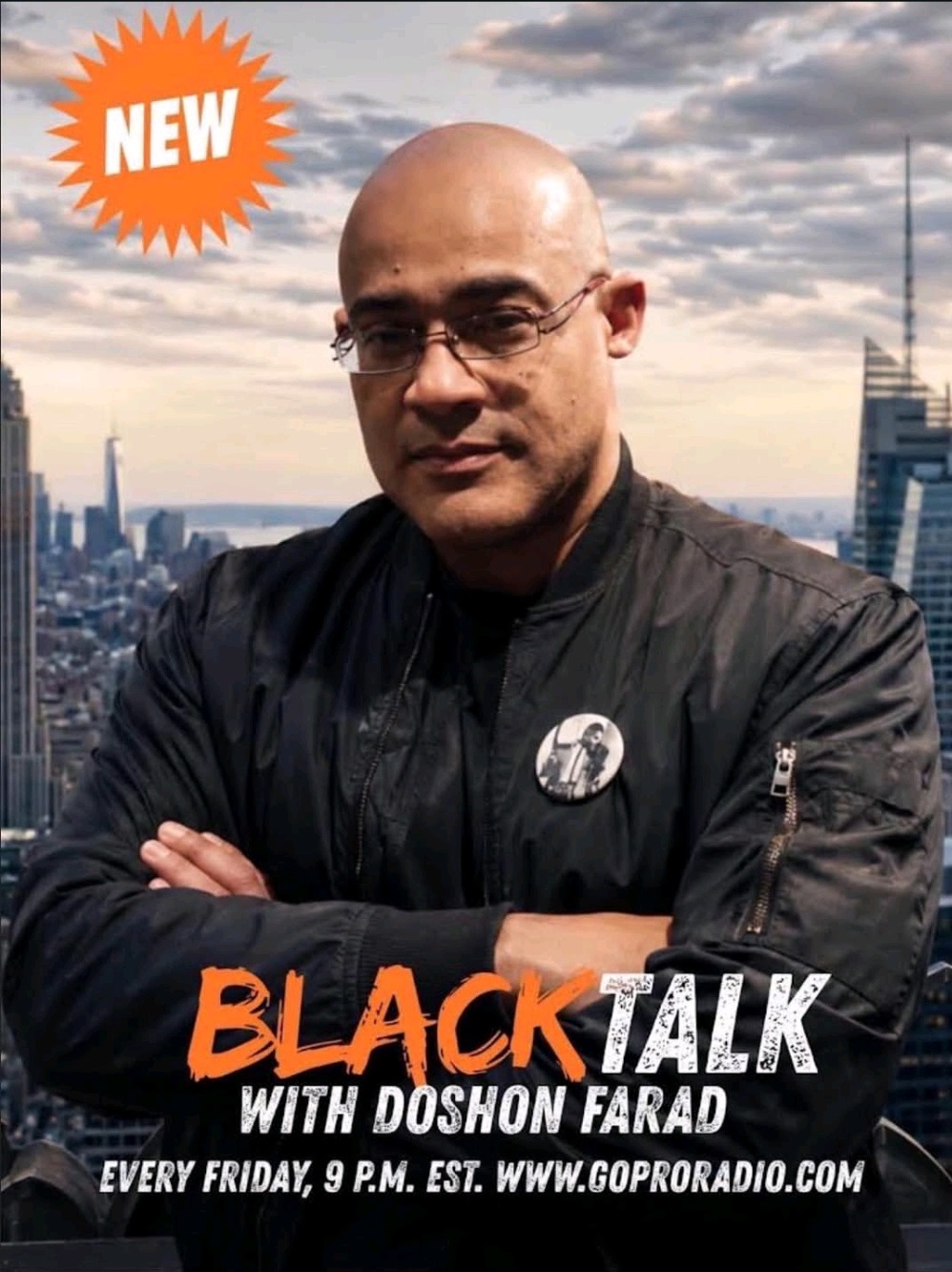
A shout-out to Doshon Farad and Black Talk for investigative journalism that brings detailed information, compelling guests, and professional insight to current affairs and controversial topics. We value spaces that encourage our community to examine the issues, ask informed questions, and look beyond the surface of a headline.
The supplied flyer advertises every Friday at 9 p.m. EST on Go Pro Radio. Check the station for current programming and listening information. Promotional image supplied for this newsletter.
Meditation and our wider circle
The American Buddhist Society hosts an evening meditation space with a short Guru Rama teaching or story: 9:30–10:30 p.m. Eastern, every night except Wednesday. Its listing is shared through the affiliation between the Society and the Kemetic Ashram, rooted in shared spiritual lineage and overlapping initiatory histories.
The Kemetic Ashram, Pan-African Ancestral Egbe and American Buddhist Society retain their distinct organizational identities, leadership and direction. ABS is the organizer and host of its meditation. See the public calendar for the event listing and current joining information, and the Kemetic Ashram introduction for the inner-cultivation path.
Upcoming Events and Observances
- October 15–18: Rise & Lead, Diving Within’s Puerto Rico retreat for Black male executives. Consult the organizer for current details.
- October 31: Honoring the beloved dead through remembrance and lineage responsibility.
- November 1: Setting intentions in the changing cycle.
- November 2: Closing the old and opening luck.
- November 11: Nakumbuka Day, remembering the Maafa and the unknown Africans who resisted enslavement.
See the house calendar for the observance sequence. These calendar dates do not announce an additional gathering, location or registration. Recurring Black Talk and American Buddhist Society meditation are described above.
Collective Ancestral Remembrance · November 11
Featured Guest Essay: On Visitations
Dr. George Brandon’s first-person essay, written for Love Letters and dated September 1, 1999, follows his mother’s presence during meditation, his father’s appearances in dreams, and the family’s funeral choices and priest-led establishment of an ancestral shrine. It is a personal account of grief, remembrance and a relationship that continues after death.
Read On Visitations. Meet Dr. Brandon on our Cultural Team and explore his book, Santeria from Africa to the New World: The Dead Sell Memories.
Nakumbuka: I Remember, and the Work Continues
Nakumbuka Day honors the victims of the Maafa and the unknown African warriors who resisted enslavement. Its name means “I remember” in Kiswahili. Our new article traces the observance through Jomo Nkombe, Duane Bradford and Basil Lopez, connecting its Pan-African history with our ancestral responsibilities.
Within our house practice, this is collective ancestral remembrance: we support their spirits in attaining, maintaining and sustaining elevation, so their work can continue. Gratitude, prayer, appropriate offerings and carrying forward their unfinished responsibilities connect the work of the living with that of the ancestors.
The article also introduces a proposed twelve-part remembrance roll: ten named Pan-African liberation heroes; an eleventh place for the unknown African soldier and warrior; and a twelfth for women whose resistance, organizing, care and sustaining work often went unrecorded.
Read Nakumbuka Day and the twelve remembrances. The list is a proposed house selection, not a universal ritual. Consult the calendar for confirmed observances; no additional gathering is announced here.
Seasonal Reflection
Remember, Choose, Renew: Our November 1–2 Observances
As autumn deepens, our ancestral calendar invites us into a sequence of remembrance and renewal. October 31 honors the beloved dead. November 1 asks us to set intentions in the changing cycle. November 2 turns toward closing the old and opening luck.
These dates fall near the seasonal midpoint between the autumn equinox and winter solstice. Our teachings connect this work with Ori—inner direction—and a sustained relationship with the ancestors. The lengthening nights provide a natural occasion to reflect on what we have harvested, what needs closure, and what we want to cultivate next.
Halloween’s spirit imagery recalls traditions of contact with the Otherworld. In our ancestral practice, we approach this season through remembrance, discernment, and responsibility. Our manual also understands sacred darkness as a place of gestation and preparation. Scorpio’s astrological symbolism adds a language of transformation: looking beneath the surface, facing what needs attention, and preparing for renewal.
Ask yourself: What am I ready to complete? What intention deserves my commitment? What opportunity will I prepare to receive?
Read the full article: Halloween’s Spiritual Meaning and Our November 1–2 Observances. Personal reflections support the season’s themes; they do not replace the formal rite.