
Pan-African Ancestral Egbe · November 15, 2026
Ancestral Knowledge and Responsible Study
Peace and love, family.
Ancestral remembrance asks something of the living. We inherit knowledge, relationships and responsibilities, and we decide how to carry them forward. Study becomes useful when it helps us understand our practices, make clearer choices and contribute to the people around us.
This month we return to the medicine wheel and the Kongo Dikenga, alongside readings on meditation, the Blue Crown, collective sovereignty and responsible Palo preparation. Recent updates also connect our Crown map, reading journeys and spiritual-work vocabulary so you can follow a subject with greater clarity.
Featured Reading
Medicine Wheel Dikenga and the African World Traveler Doctrine
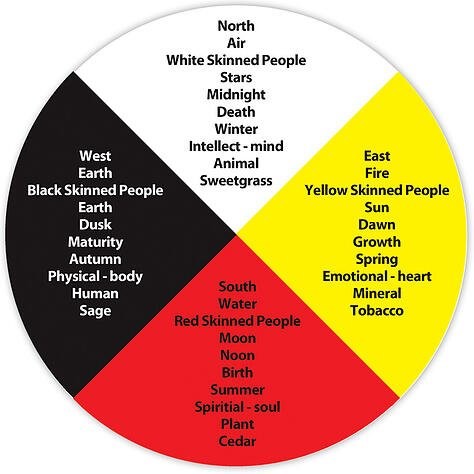
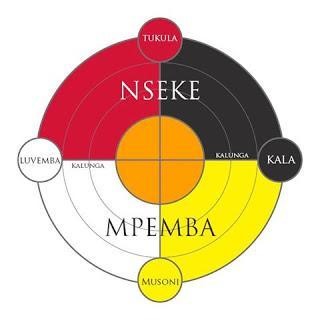
November’s season of ancestral remembrance invites us to consider how knowledge travels between generations and across the world. Our selected feature brings the medicine wheel into conversation with the Kongo Dikenga, exploring the circle, fourfold movement, balance, and the passage through life, death and return.
The article presents Ancestral Egbé’s African World Traveler Doctrine, including the house’s argument that the Dikenga preceded and informed medicine-wheel traditions in the Americas. That transmission argument is identified as house doctrine; visual similarities alone do not establish historical descent. Indigenous communities retain their own teachings and authority, and no single wheel represents every nation.
As you read, consider what ancestral knowledge asks you to carry forward with care. Begin with the comparison, then follow the supporting sources and study path.
Read Medicine Wheel, Dikenga, and the African World Traveler Doctrine
New Study Paths and Resources
Our newer resource pages connect individual readings to a wider field of study. These public pages provide orientation; a reading path does not by itself confer initiation, rank or authority.
- Crown Pathways and Guided Development — See how study, practice, services and an individual initiatory journey relate.
- Blue Crown Ancestral and Egbe Development — Explore ancestral and Egbe relationships while keeping their distinctions clear.
- Kung Ra Healing — Read the house’s explanation of energetic cultivation, its lineage context and its place beside other Nemes practices.
- Order of Amun — An introduction to the Third Eye Society and its nine-reading study sequence.
- The Sphinx — A lesson within the Order of Amun sequence, connecting the wider study to a focused inquiry.
Updated Guides and Reading Journeys
Our October 30 site update connects several existing guides more closely. These are expanded readings and clearer study routes, not new requirements to purchase services or complete every Crown path.
- Ritual Taxonomy: 17 Types of Spiritual Work — Expanded diagnostic-group guidance and the distinction between Soul Healing, Soul Restoration and Soul Retrieval, with matching glossary definitions.
- The Paths Within the Five Crowns — A shared map of the two foundations, five Crown jurisdictions, their paths and example sections. Its order describes relationships rather than a compulsory initiation ladder.
- Reader’s Journeys — Thirty-six reading journeys now share their sequences with article navigation. Public views of orientation and Five Crowns Foundations follow the existing study readings; the political-sovereignty journey includes the Panther article.
- Ifa Initiation Planning — The public guide now uses an approximate $6,000 planning estimate for Ifa priesthood initiation performed in America. Final quotations depend on the individual arrangements; this is not an immediate booking offer.
Student Study and Assessment
We are continuing the internal student pilot and reviewing the portal’s reading, program and assessment functions. Any November release announcement will depend on successful verification of the deployed system. We will share confirmed capabilities and access details when that review is complete.
Reading completion, demonstrated understanding and initiatory readiness are different forms of evidence. A quiz can support study and feedback; it does not award priesthood or permission to teach. Students should follow the assignments and guidance provided for their own program.
In Development: November Study and Programs
These items are prepared for the November 1 team review. They remain development work, not a claim that new enrollments, mentor appointments or assessment gates are live.
The education model favors automatically scored knowledge checks and reuse of saved results. Direct teaching, practical and verbal review, divination and final godparent decisions remain separate. New book banks still need assigned-edition source review before activation.
- Celestine recommended reading — A spoiler-light introduction and a separate insight guide place the external books in Nemes study without replacing them.
- Castaneda study and assessment map — Recommended and required reading are distinguished by stage, including early Death as an Adviser and later Red/dreaming preparation. New private conceptual banks remain inactive.
- Meditation Manual checkpoints — Foundation and integration knowledge checks are prepared for daily/weekly practice and later-system preparation. Knowledge does not certify practice or initiation.
- Preparation and shared house doctrine — Seed, weed and feed explains preparation around initiation; Double Effort separately joins practical action with spiritual work across the framework.
- Pan-African Citizenship proposal — A seven-reading program proposal for cultural/political study across dispersed networks and possible Minister of Culture support. Feedback comes before a new landing page, mentor appointment or launch.
- Student / Member access refinements — Default member sign-in and owner-designated mentoring controls are being reviewed. No new mentor appointment or broader record access is announced.
Expanded Guidance on Funeral Preparation
Ancestral responsibility includes preparing for the care of the dead. Our expanded funeral-practices article discusses the obligations that may accompany initiation, coordination among responsible houses and the importance of making instructions accessible to those who will act.
The reading now includes a preparation checklist and guidance about the house’s will addendum. Submitting a document and completing responsible human review remain separate steps.
Nakumbuka and the Work of Remembrance
November 11 marks Nakumbuka Day, remembering the victims of the Maafa and the unknown African warriors who resisted enslavement. The work of remembrance continues beyond the date. Within our house practice, collective ancestral remembrance supports their spirits in attaining, maintaining and sustaining elevation, so their work can continue.
The article includes a proposed twelve-part house remembrance roll, including named liberation figures, the unknown soldier and warrior, and women whose sustaining work often went unrecorded. What responsibility can you carry forward in your family or community?
The Season of Remembrance and Renewal
The October 31 and November 1–2 observances place remembrance beside intention and renewal in our house calendar. As autumn deepens, return to the questions those observances raise: What needs completion? Which relationship needs care? What intention deserves consistent work?
Read our November remembrance and renewal teaching. Personal reflection supports ongoing practice and does not replace a formal rite.
Upcoming Observances
Looking ahead, the house calendar lists the Winter Solstice Awan of Olokun on December 21. Read the teaching as preparation; gathering times, location and participation details will be shared when confirmed.
Read Winter Solstice Awan of Olokun and consult the house calendar for updates.
Contacting the House
Website inquiries now receive clearer confirmation that the request has been saved for Baba Shakara’s review. Saving a request and delivering the house’s email notification are separate steps; a notification problem does not by itself mean the saved inquiry was lost.
Community and Affiliate Contributions
Our community includes teachers, cultural workers and affiliated organizations whose work supports living practice. We welcome their November contributions and will add approved announcements, resources and updates as they arrive.
Readers can continue exploring the Yorùbá Language Program, Ifá Scribe and our Cultural Team. Consult each organization directly for its current offerings and access details.