
The Name Is Not the Whole History
Yahweh is the conventional scholarly pronunciation of YHWH, the divine name associated with the God of Israel. English Bibles often substitute LORD, concealing the distinction between a particular name and a universal title. Our question is not merely how to pronounce that name. It is how a deity with a history of war, territorial allegiance, and rivalry came to be presented as the timeless source of everything.
Our African-centered position is direct: the power to command worship is not proof of original creatorship, and conquest does not establish moral perfection. We examine the archive that has repeatedly been used to condemn African shrines, ancestors, priesthoods, and goddesses. Its own sacred authority must face the ethical examination imposed on everyone else.
This article develops the supplied study Africa, ancient Judaism, Islam and the Abrahamic religions, version 8. Historical reconstruction, biblical narrative, and our spiritual interpretation are related but distinct kinds of claim. Criticism here concerns divine portraits and religious systems, not the inherent character or worth of Jewish, Christian, or Muslim people.
Before Yahweh's Supremacy Was El's Religious World
The source places early Israel within Canaanite society rather than treating its people as a civilization without local ancestry. El was a senior deity in the West Semitic religious world; Athirat, known in the biblical context as Asherah, belonged to that older divine household. The name Israel itself contains the divine element El, not Yahweh. That is a historical clue, not proof by itself of every claim made about Israel's origins.
Mark S. Smith's convergence and differentiation model, explained by Christine Hayes in her Yale lecture, supplies a useful framework: characteristics of older deities converged in Yahweh, while practices later declared foreign were rejected. Exodus 6:2-3 itself connects patriarchal El Shaddai worship with the later name YHWH. This is religious inheritance and reorganization, not evidence that the finished monotheistic system existed unchanged from the beginning. Christine Hayes, Open Yale Courses, Lecture 7.
Our doctrine calls the outcome the usurpation of El's authority: the war-power acquires the Creator's titles, then its exclusive cult makes the older divine plurality illegitimate. Historically, merger and suppression describe processes involving communities, kings, scribes, and priesthoods. Spiritually, we read the resulting authority claim as a takeover: admission into an older divine order becomes absorption and displacement of its authority.
The Divine Council Survives Inside the Edited Text
Deuteronomy 32:8-9 describes the Most High apportioning nations and Jacob becoming Yahweh's portion. The manuscripts do not all say the same thing: the Masoretic tradition has sons of Israel, while a Dead Sea Scroll witness and Greek witnesses preserve divine beings or their equivalents. Emanuel Tov explains why these variants matter for recovering the earlier wording. The version with divine sons makes an older council structure visible. Emanuel Tov, The Sons of Israel or God?
One historical reading sees Yahweh receiving a people within an order associated with El/Elyon. Other interpreters identify Elyon with Yahweh in the poem's received setting. Psalm 82 also stages divine judgment in an assembly. These are substantial textual grounds for investigating inherited plurality; they are not an uncontested transcript of a single original pantheon.
That distinction strengthens our argument. Later theological identification does not erase the older structures carried by a text. Read our Israel, the Black Goddess Nation for the broader African-centered reconstruction, and Eve, Asherah, and the Black Goddess for the feminine authority at stake.
Shasu, the Southern Horizon, and the Warrior Deity
The Egyptian designation commonly rendered Shasu-land of yhw is an important early lead. Daniel E. Fleming examines it in Yahweh before Israel. A proposed connection between this place-name and the later divine name is not the same as an inscription explicitly describing an Israelite god. Southern biblical traditions involving Seir, Edom, and Paran also inform the debate. The origin question remains more precise than simply calling all Shasu bandits or claiming that a geographical label proves a complete theology. Fleming, Yhw of Shasu-Land.
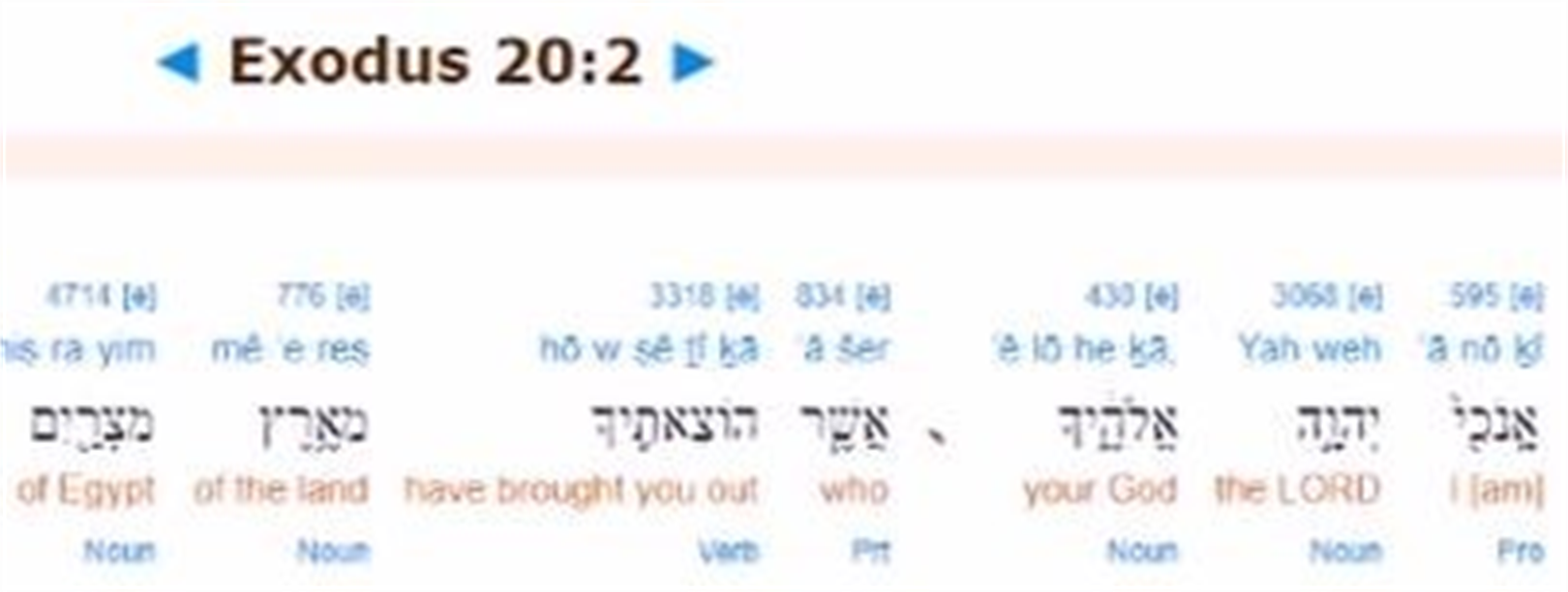
The warrior portrait is explicit in the Bible itself: Exodus 15:3 and Psalm 144:1 associate Yahweh with war. Our Yahweh, Enlil, and the Ten-Thousand-Year War develops the comparison with a storm-command current and discusses Ernst Axel Knauf's proposed blowing etymology. That proposal is not the only explanation of the name.
Asherah, Josiah, and Exclusive Worship
Second Kings 23:4-20 describes removal of Asherah-related objects, destruction of rival cult sites, and killing of priests during Josiah's reform. Josiah ruled Judah in the late seventh century BCE, conventionally around 640-609 BCE. The narrative is evidence of a remembered program of centralization and exclusion; it is not an independent archaeological verification of every reported act.
Monolatry means worshipping one deity without necessarily denying others exist. Monotheism denies other gods comparable divine standing. The transition was not completed everywhere by one royal decree. Thomas Romer's The Invention of God follows the longer development, including Asherah, Josiah, and the movement from one god to the only God. Nor should the whole Torah's final form be confidently assigned to Josiah's reign alone. Romer, The Invention of God, Harvard University Press.
For Ancestral Egbe, the issue is the loss of spiritual plurality and feminine jurisdiction: inherited powers become rivals to be expelled rather than relatives within a sacred ecology. See Black Athena and the Black Goddesses. This is a critique of concentration of authority, not a claim that every older society was peaceful or every goddess cult ethically flawless.
The Sins of Yahweh
The original study calls this material Yahweh Cruelty. We retain all 43 charges, in their original order, because the moral argument must rest on particulars. Here, sins means our ethical indictment of the scriptural portrait, not an allegation that believers themselves committed these acts.
The strongest cases concern slavery, collective punishment, sexual appropriation, divinely authorized deception, and lethal violence. Some other accusations confuse symbolism with instruction or depend on disputed translation. Each entry therefore gives the charge, a linked passage, and what the passage actually supports. Correcting a citation is not withdrawing the demand for moral accountability.
-
Teaching war
The speaker credits Yahweh with training his hands for war. Martial power is expressly celebrated.
-
Sending a perverse spirit
Egyptian confusion is attributed to a spirit sent or mixed by Yahweh; translations use perverse, confused, or dizzying.
-
Spreading dung on faces
The prophetic threat humiliates priests with the refuse of their festivals.
-
Authorizing theft or plunder
Exodus describes obtaining Egyptian valuables; Ezekiel describes taking spoil from former spoilers. The source challenges the moral authorization of dispossession, although both narratives supply a justification.
-
Making false predictions
Nineveh is threatened with destruction but spared after repentance. This is a case of an announced judgment being withdrawn, not straightforward proof of failed foreknowledge. Genesis 5:10, cited in the source, is not a prophecy.
-
Changing his mind
The narrative explicitly depicts the threatened disaster being withheld after a change in human conduct.
-
Using sexual violation as punishment
2 Samuel 12:11-12; 2 Samuel 16:21-22
Nathan announces public appropriation of David's wives; Absalom later has sex with David's concubines. Calling this merely adultery misses the women's exposure to coercion and political retaliation.
-
Lying or giving contradictory assurances
Genesis 2:17; Genesis 3:4-7; 2 Samuel 7:12-16
The death warning and dynastic promise raise questions about fulfillment. Immediate spiritual death, eventual mortality, conditional kingship, and messianic fulfillment are interpretive answers, not a single uncontested literal outcome.
-
Rewarding people who mislead a ruler
The midwives refuse Pharaoh's killing order and give him an explanation that critics read as deceptive. The account praises preservation of life; it is not a general instruction to lie.
-
Ordering drunkenness
The nations are made to drink a cup of wrath. This is a prophetic image of catastrophic judgment, not ordinary drinking advice.
-
Anger and destructive temper
Divine anger is connected with destruction and subjection to enemies.
-
Jealousy
Deuteronomy 5:9; Deuteronomy 6:15
Exclusive allegiance is enforced through explicitly jealous divine authority.
-
Cannibalism under divine punishment
Leviticus 26:27-29; Jeremiah 19:9
Covenant curses and siege judgment describe people eating their children. These are threatened consequences of punishment, not a normal dietary command; the cruelty question remains.
-
Giving bad laws
The speaker attributes statutes that were not good, and defilement involving firstborn offerings, to punitive divine action. This is a central passage, not a detail to omit.
-
Instructing concealment or deception
The three-day journey request and Samuel's sacrificial cover story raise the ethics of concealment under danger. Whether either is a direct lie requires argument.
-
Excluding disabled people
Priests with specified bodily differences cannot approach the altar, although they may eat sacred food. The exclusion concerns priestly service; the text does not exclude all disabled people from community life.
-
Commanding a marriage associated with prostitution
Hosea's marriage and purchase imagery make a woman's sexuality part of a prophetic drama. Interpreters dispute literal and symbolic dimensions.
-
Creating evil or calamity
Isaiah 45:7; Lamentations 3:38; 1 Samuel 16:14; 1 Samuel 18:10
Disaster and harmful spirits are attributed to divine agency. In Isaiah, the paired Hebrew term can mean calamity rather than moral wickedness; the source's broad charge needs that distinction.
-
Deceiving and sending delusion
1 Kings 22:19-23; Jeremiah 4:10; Jeremiah 20:7; Ezekiel 14:9; 2 Thessalonians 2:9-12
Micaiah's council vision authorizes a lying spirit; other texts describe deception or delusion. Jeremiah also preserves a prophet's accusation against God. The Thessalonians passage is a later Christian text, not an ancient Israelite inscription.
-
Rewarding fools and transgressors
The King James rendering supports the source's wording, but this difficult verse has sharply different modern translations about an archer and hiring fools. It cannot securely establish a doctrine of divine reward for wrongdoing.
-
Killing
Numbers 16:35; Numbers 21:6; Deuteronomy 32:39; Psalm 135:8-10
Fire, serpents, and the death of firstborn and rulers are attributed to divine action. The source's 1 Samuel 2:26 concerns growth in favor, not killing; 1 Samuel 2:6 is relevant instead.
-
Commanding killing
Leviticus 26:7-8; Numbers 25:4-5
Military victory and execution of offenders are authorized. These are concrete textual claims about sacred violence.
-
Not being everywhere
Genesis 4:16; Genesis 11:5; 1 Kings 19:11-12
God has a presence one can leave, descends to inspect a city, and is not in particular phenomena. This is spatial narrative imagery; whether it refutes omnipresence depends on how that imagery is read.
-
Indecision
The narrative portrays deliberation and investigation before judgment. It does not itself formulate a philosophical doctrine of limited divinity.
-
Not knowing beforehand
Deuteronomy 8:2; Deuteronomy 13:3; 2 Chronicles 32:31
Tests are described as revealing what is in a person's heart. Critics ask why a fully knowing deity needs such tests; interpreters disagree about their purpose.
-
Repenting or regretting
Genesis 6:6; Exodus 32:14; 1 Samuel 15:11; 1 Samuel 15:29
Regret and relenting are explicit in several narratives, while 1 Samuel 15:29 denies human-like change. These passages replace the source's mismatched repentance references and preserve the internal tension.
-
Playing favorites
Deuteronomy 7:6; Deuteronomy 14:2; 1 Samuel 12:22
Election privileges a particular people. Our ethical question concerns what happens when chosenness becomes permission to dispossess or dehumanize others.
-
Sanctioning slavery
Exodus 21:20-21; Deuteronomy 15:12-18; Leviticus 25:44-46
The laws regulate ownership and unequal treatment, rather than abolishing slavery. Release provisions for certain Hebrew servants coexist with hereditary possession of foreigners.
-
Excluding people by birth status
A category often translated as illegitimate birth is excluded from the assembly across generations. The meaning of the Hebrew category and of assembly is debated; inherited exclusion is the source's concern.
-
Punishing many for one person's conduct
Genesis 3:16-19; Genesis 20:17-18; Joshua 7:24-26
Narratives extend consequences to households or descendants, including punishment beyond the initiating offender.
-
Punishing children for ancestral offenses
Exodus 12:29; Exodus 20:5; Deuteronomy 5:9; Ezekiel 18:20
Firstborn death and multigenerational punishment stand beside a later insistence that a child does not bear a parent's guilt. The Bible preserves disagreement, not one unchanging rule.
-
Preventing understanding
The commission hardens or closes understanding; John later reuses it. The question is responsibility when divine action impedes the response demanded.
-
Human sacrifice and firstborn claims
Exodus 22:29-30; Exodus 13:12-15; Ezekiel 20:25-26
A demand for firstborn sons and Ezekiel's troubling account require scrutiny alongside explicit redemption provisions. These texts do not justify saying every firstborn demand necessarily required human killing.
-
Taking virgin girls as war spoil
Numbers 31:17-18; Numbers 31:25-40
The narrative distinguishes girls who have not had intercourse, keeps them alive, distributes captives, and counts a tribute for Yahweh. It does not explicitly state that the girls allocated as tribute were killed.
-
Commanding gambling
These passages allocate land by lot. Sacred lot-casting is present; calling it commercial gambling confuses different activities.
-
Hamstringing horses
The command and its execution disable captured horses. The military explanation does not remove the animal-suffering question.
-
Sexual appropriation of captive women
A soldier may take a captive woman as wife after a mourning period. Limits on resale do not supply the free consent absent from wartime captivity.
-
Tolerating lethal violence against enslaved people
Immediate death brings punishment, but survival for a day or two removes that penalty because the enslaved person is the owner's money. The text does not state that every killing of an enslaved person is unpunished.
-
Requiring marriage after sexual violation
Verses 28-29 require payment and marriage after a man seizes an unbetrothed woman; the woman's consent is not specified. Whether the act is rape or another illicit sexual encounter is disputed; verses 25-27 separately punish rape of a betrothed woman by death.
-
Ordering human dung as cooking fuel
This corrects the source's Ezekiel 21:3-5. The prophet protests and receives permission to use cow dung instead. Both the humiliating sign and the negotiated concession belong in the account.
-
Excusing prostitutes and adulterers
The passage refuses selective punishment of women while men engage in the same sexual misconduct. It exposes a double standard rather than simply endorsing adultery.
-
Protecting a murderer
Cain is punished but protected against retaliatory killing. The source questions that protection; a contrary ethical reading sees a limit on escalating vengeance.
-
Killing Onan
Onan avoids producing offspring for his dead brother while having intercourse with the widow. The story ties his death to that conduct; it should not be reduced to a general prohibition of masturbation.
Who Is Allowed to Call Violence Holy?
Four clusters deserve particular attention. Exodus 21 and Leviticus 25 make ownership of human beings part of the legal order. Numbers 31 turns surviving girls into countable war property. Ezekiel 20 presents bad statutes and firstborn defilement within divine punishment. First Kings 22 makes deception a means of royal destruction under heavenly authorization. These are not vague accusations against religion: they are identifiable passages in its own canon.
The source's argument is that African people should not accept a moral tribunal in which their ancestors are condemned before evidence is heard, while an imperial deity's violence is declared righteous by definition. If an African spirit demanded enslavement, coerced intimacy, or the destruction of children, would we accept the defense that its power placed it beyond judgment?
Protecting life, discerning character, and maintaining right relationship matter more than a claim to unlimited command. Power and justice are not synonyms. Our Moloch, Yahweh, Solomon, and Child Sacrifice expands the sacrifice question, including the distinction between historical ritual, polemical labeling, and interpretation.
Creator, Deity, and Spiritual Jurisdiction Are Not Identical
Our doctrine distinguishes the hidden generative source from particular spirits, deities, ancestral formations, and jurisdictions. A formidable war-power does not become the source of existence simply by defeating competing priesthoods. Compare Amen, Amun, Amma, Olokun, and Om and Amon Is the God of All Africa with the jurisdictional distinctions in Spiritual Jurisdiction and the Crowns of Kemet.
The supplied study also proposes an Anunnaki/Enlil interpretation and a theory of violent death releasing energy harvested by a deity. Those are spiritual hypotheses, not findings established by the biblical verses or ordinary historical research. The larger Yahweh/Enlil article carries that doctrinal discussion; this article supplies the more focused historical and ethical examination.
Likewise, shared Semitic words for deity do not by themselves prove that every worshipper of God or Allah engages the same spiritual entity, or that language alone determines a person's moral character. The history of a name, institutional theology, and a practitioner's experience need separate examination. We retain the source's challenge to imported authority without turning it into a verdict against whole populations.
From Historical Critique to Ancestral Alignment
This article belongs to the Culturalist component of the Unified Doctrine: recovering history and examining inherited authority. Priestly discernment addresses spiritual obligations and jurisdiction; coaching addresses identity, agency, and the practical consequences of belief. None of those functions requires pretending the biblical archive is morally simple.
For the larger sequence, continue with Four Turns of the Great Wheel, the Ten-Thousand-Year War, and Isese Ifa, Islamic Ifa, and the Slave Trade. For personal repair rather than a new cycle of religious hostility, read From Colonized Religion to Ancestral Alignment and Improper Conversion and Ancestral Trauma.
We do not recover African sovereignty by merely reversing someone else's hierarchy. We recover the right to investigate, judge conduct, honor our ancestors, and choose our relationships with the sacred. Return to the Unified Doctrine Map.
Sources and Further Study
Primary editorial source: the owner's supplied Africa, ancient Judaism, Islam and the Abrahamic religions, version 8. The 43-point biblical list is preserved above with contextual corrections. The wider source's claims about Islam, modern ethnic origins, and political history are not automatically adopted as established facts in this focused article.
- Christine Hayes, Yale, Lecture 7: discussion of Mark S. Smith's convergence/differentiation model.
- Emanuel Tov, The Sons of Israel or God? (2023): manuscript variants of Deuteronomy 32:8.
- Daniel E. Fleming, Yahweh before Israel, chapter 2: Egyptian Shasu-place evidence and its limits.
- Thomas Romer, The Invention of God (2015): the historical development of Yahweh worship.
- Biblical texts: linked individually in the charge list using the King James Version as a stable comparison text, not a claim that its wording resolves every Hebrew or Greek ambiguity.