Close the night first
Begin with a normal breakfast window and stop eating by 7 PM. This phase teaches the body that the kitchen closes, late-night snacking ends, and the overnight fast can become stable without panic.

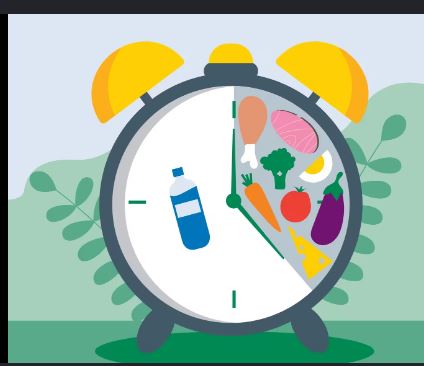
Health Sovereignty Fasting Training
A gradual bridge from ordinary intermittent fasting into fasting training: close the night, compress the eating window, build metabolic flexibility, and prepare carefully for a short water fast.
From daily intermittent fasting to fasting training
The basic Health Sovereignty fasting rhythm begins with the familiar pieces: evening discipline, sleep protection, hydration, coffee timing when tolerated, protein-first meals, and a clean return from the fasting window.
This protocol keeps those rules but changes the training demand. Instead of jumping straight into a 24-hour fast, the eating window shrinks in stages. The body gets time to learn: when sugar is not constantly arriving, stored fuel is available.
The practical goal is metabolic flexibility. The behavioral goal is appetite discipline. The deeper coaching goal is body governance.
The compression ladder
The schedule moves from 14 hours fasting to 16 hours, then 18 hours, then a prepared one-day water fast. This turns fasting into a trained capacity instead of a one-time act of force.
Begin with a normal breakfast window and stop eating by 7 PM. This phase teaches the body that the kitchen closes, late-night snacking ends, and the overnight fast can become stable without panic.
Compress the eating window by two hours. You may push the first meal later or move dinner earlier. The body begins practicing a longer low-insulin window without jumping straight into a heroic fast.
Use a six-hour eating window with two solid meals, or two meals and one small bridge meal if needed. This is the main fasting-training phase where the body learns to move from sugar dependence toward stored-fuel access.
Only attempt this when the earlier phases are stable and medically appropriate. The goal is not punishment. It is a prepared one-day fast supported by water, minerals when appropriate, rest, and a clean return meal.
Why it works as training
Many people live in a constant feed signal: sugar, refined starch, sweet drinks, snacks, late meals, and constant grazing. The body rarely receives a clean pause long enough to settle digestion, lower insulin, and practice using stored fuel.
Fasting training reverses the lesson slowly. Each two-hour compression teaches the person and the body to tolerate a longer gap without panic. The point is not suffering. The point is to make the shift from fed-state living into repair-state rhythm less dramatic.
The early meals can look protein-forward or even protein-only because the first food signal matters. A protein-first meal is not a brand-name diet here. It is a metabolic signal: break the fast without slamming the system with sugar first.
Rules that carry over
Dinner should be early enough to give the body a real overnight runway. If 7 PM is impossible, make the later meal cleaner and lighter instead of pretending the schedule does not matter.
Water comes first. Coffee can be used if tolerated, but not as dessert. Fasting coffee means no sugar, sweet creamers, or caloric add-ons that end the fast by accident.
Break the fast with protein, healthy fat, and low-starch foods before fast carbohydrates. The first bite tells the body how to leave the fasting window.
Light walking, mobility, or simple resistance work can help the body use stored fuel more intelligently. Do not overtrain during a fast you are not ready for.
Autophagy without hype
Autophagy is often described as cellular cleanup and recycling. Fasting can support the conditions associated with that process, especially when sleep, protein intake, movement, hydration, and meal timing are also in order.
But the timing is not magic and it is not identical for everyone. A person who slept badly, ate late, overtrained, underhydrated, or broke the fast with sugar may not experience the same repair window as someone who entered the fast with order. This is why fasting training is part of a system, not a standalone trick.
Who should not force this
This protocol should be modified or avoided when the body cannot safely hold it. Health sovereignty is discernment, not bravado.
Build the full sequence
This is the continuation: from everyday intermittent fasting into fasting training. Start with the evening, morning, insulin, and first-bite protocols. Then use this ladder to compress the window carefully.
This page is educational health-coaching content only. It is not medical advice, diagnosis, treatment, nutrition therapy, or a guarantee of autophagy, detoxification, visceral-fat loss, disease reversal, or any specific health outcome.
Speak with a qualified health professional before changing fasting windows, meal timing, exercise timing, caffeine, electrolytes, supplements, or diet if you have medical conditions, medication interactions, pregnancy concerns, diabetes, blood-pressure issues, eating-disorder history, kidney disease, heart disease, gastrointestinal disease, or symptoms that feel unsafe.