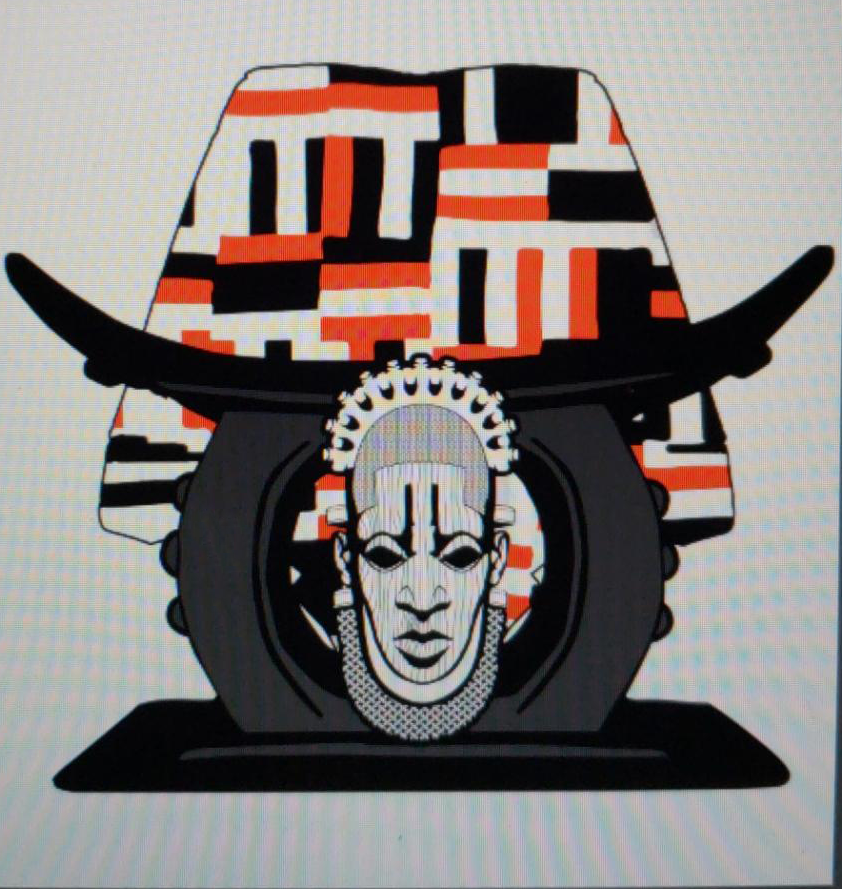
Opa Iku — The Ancestral Staff
The ancestral staff is not simply an object. It is a consecrated extension of the ancestral line: a bridge between Heaven and Earth, and Earth and Heaven.
The Opa Iku, also called Ara Iku Bambaya, is used for communication, invocation, regulation, and authority within ancestral work. It may call the ancestors, dispel ancestral interference, establish direct communication with lineage forces, and carry the current of the ancestral field with the practitioner.
Unlike a shrine, the staff is mobile. It can stand with an altar, support prayer and meditation, or move with the practitioner as a ritual instrument.
How the Staff Works
The staff operates through sound, motion, consecration, and intention. Tapping the ground calls the ancestors. Shaking the staff activates vibrational signaling. Holding the staff during prayer amplifies transmission.
Because it is consecrated, the staff does not depend entirely on a shrine to function. It carries its own authority field when used with proper invocation, chant, prayer, and discipline.
In advanced work, the Opa Iku can also be used in specific rituals such as the Twelve Karmic Ancestor Healing process. It may also function in Egungun settings where spiritual authority is required, including helping manage Egungun masqueraders in possession.
Construction and Consecration
Each staff is custom-built and one of a kind. It may be created from cane, bamboo, cedar, ukhere where available, or selected sacred wood. The staff is dressed for the individual and the lineage.
It may include bells, cloth strips, feathers, cowries, efun, ribbons, and personal ancestral items such as cloth, jewelry, or keepsakes. Bells represent levels and vibrations of ancestral development. Cloth and adornment encode lineage, gender, spiritual function, and ritual identity.
The staff is not complete until it is ritually born. Washing, prayer, invocation, and priestly consecration transform the staff from wood into a living ancestral instrument.
The Opa Iku Staff Path
This offering is structured as a three-level model.
Level 1 — Foundational Staff
This is the stabilization layer. It supports personal ancestral alignment, introduction to staff work, basic invocation, and communication. This is where the practitioner learns to hold the current.
Level 2 — Loaded Staff
This is the activation layer. It expands the energetic capacity of the staff and deepens ancestral responsiveness. It supports directed ritual use, intention work, movement, and execution. This is where the practitioner learns to direct the current.
Level 3 — Full Ritual Authority Staff
This is the initiation layer. It is reserved for advanced practitioners and those moving into deeper priesthood-level responsibility. It supports full consecration, ceremonial authority, and advanced ancestral work. This is where the practitioner is authorized to wield the current.
How the Staff Fits the Journey
Level 1 stabilizes. Level 2 activates. Level 3 authorizes.
This is not a casual spiritual item. It is a working instrument of lineage communication and authority.
Who This Is For
This path is for individuals working with ancestral practice, those building shrine-based systems, practitioners moving toward initiation, and clients seeking a deeper structured spiritual tool.
It is especially appropriate for people who understand that ancestral work requires both devotion and discipline. The staff should be treated as a living ritual instrument, not as decor.
Pricing
Level 1 — Foundational Staff: $153
Level 2 — Loaded Staff: $153
Level 3 — Ritual Authority Staff: $153
Full Opa Iku Path — All Three Levels: $459
The step-by-step path allows time, integration, and readiness. The full path is for those ready to commit to the complete ancestral staff progression. Eligibility for Level 3 may still require readiness assessment.