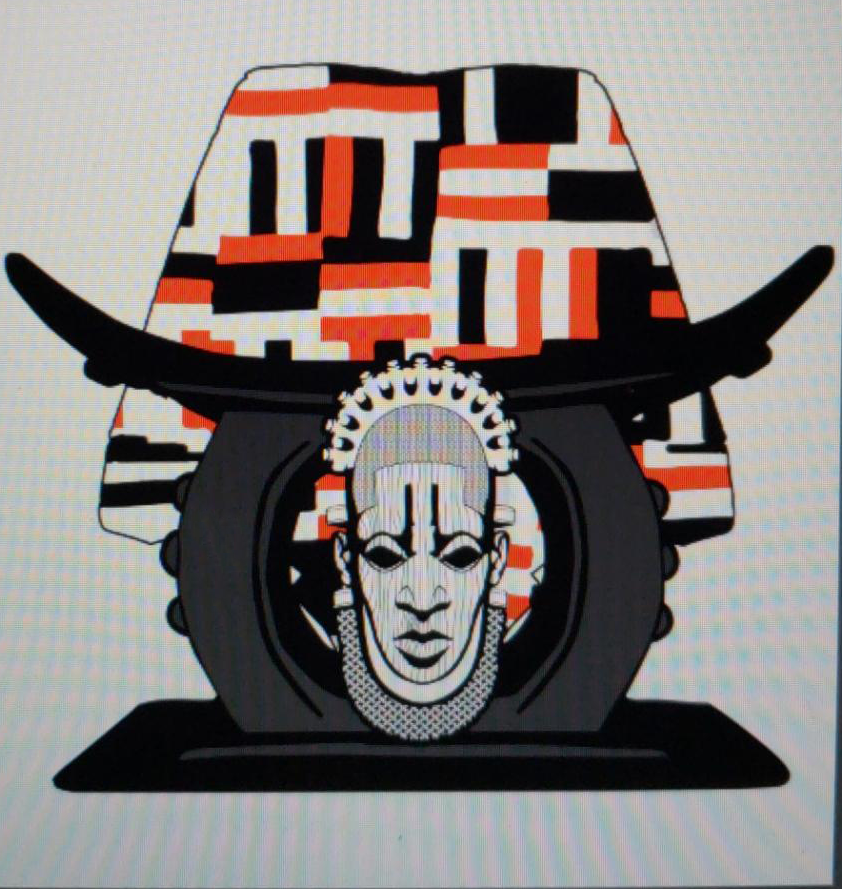
Days of Rebirth · December 21
Winter Solstice Awan of Olokun
The longest night of the year is not a time of absence. It is the threshold where depth speaks. The Awan of Olokun is the feast, ceremony, and invocation that meets that depth with intention.
Olokun and the Deep
Olokun is the Orisha of the ocean's depths — the waters beneath the waters, the dimension beyond ordinary sight. Unlike Yemoja, who governs the living surface of the sea, Olokun holds what is hidden, ancient, and unresolved. The depths of trauma, the ancestors who were lost to the Middle Passage, the vastness of what cannot be easily named.
Honoring Olokun at the winter solstice is a deliberate alignment. The longest night corresponds to the deepest reach. The ceremony is not constructed to entertain. It is structured to allow real contact with what the depth holds.
What the Awan Is
An Awan is a feast — a ritual meal prepared and offered as part of the ceremony. The food is not incidental. It is part of the conversation with the Orisha. What is offered, how it is prepared, and who participates all carry meaning.
In this community context, the Awan of Olokun becomes an occasion for:
- Acknowledging what has been carried in the year that is ending
- Honoring the ancestors who crossed through water — slave ships, migrations, drownings, journeys that cost everything
- Releasing what has been held in the body and the spirit too long
- Opening to what the deepest self is ready to receive
Why December 21
The winter solstice is the astronomical turning point. After this night, the light returns and gradually increases. In the Ancestral Egbe calendar, this moment is treated as real — not symbolic decoration, but an actual threshold that the community crosses together.
The solstice in West African and Diaspora tradition carries weight that the dominant culture has largely severed from its practices. Recovering the solstice as a spiritual moment, rather than a commercial preamble, is part of what this page exists to explain.
The Awan of Olokun on December 21 anchors the winter season in depth, memory, and a specific ancestral relationship — rather than leaving the holiday period ungrounded in any tradition that belongs to the community.
The Solstice in the Ancestral Egbe Calendar
This ceremony sits within the "Days of Rebirth" section of the winter season. It opens the final phase of the year — before the 7 Days of Ancestral Ascension and Kwanza that follow. The sequence is intentional:
- Dec 21: The Awan of Olokun — descent, depth, acknowledgment
- Dec 24–31: 7 Days of Ancestral Ascension — elevation, gratitude, cultivation
- Jan 1: Arrival into the new year having done both
The ascension only carries weight if there has been genuine descent first. The Awan of Olokun provides that.
Participation and Context
This ceremony is for community members who have grounding in ancestral practice and Orisha culture. It is not an open tourism event. Contact us through our consultation page if you are seeking connection with this community and want to understand whether participation is appropriate for where you are in your development.