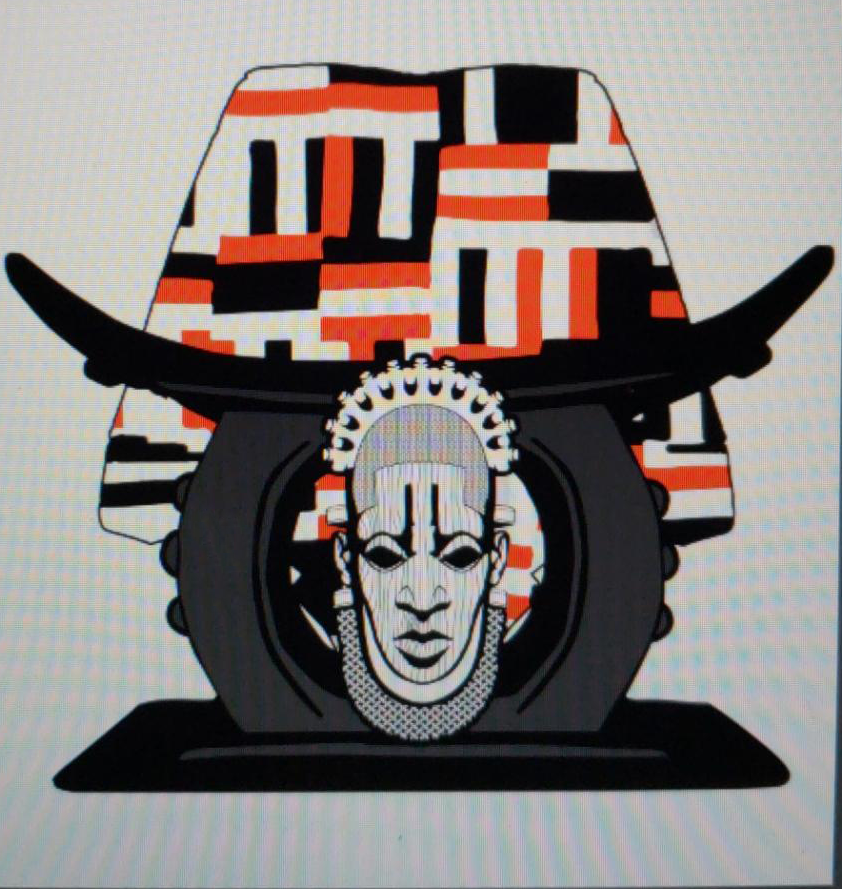
For people searching for cultural trauma healing, identity repair, or African-centered trauma healing, this article explains why culture is not decoration. Culture is part of the medicine.
Modern psychology is beginning to recognize what African traditional knowledge systems have understood for centuries: healing is never purely individual. Trauma — whether personal, relational, or generational — exists within a web of cultural, ancestral, and spiritual contexts that shape how it forms and how it heals.
Yorùbá philosophical traditions offer a profound and practical framework for understanding and addressing modern trauma types. These concepts, rooted in thousands of years of lived wisdom, map directly onto contemporary psychological challenges — and provide pathways to healing that Western frameworks often miss.
Orí — Your Personal Consciousness and Destiny
In Yorùbá tradition, Orí refers to one's individual divine consciousness — the personal spiritual guide that resides within the head and governs one's destiny, character, and decision-making capacity. Orí literally means "head," but spiritually it represents the repository of your authentic self.
From a trauma perspective, many of the symptoms we associate with PTSD, depression, and identity fragmentation can be understood as disconnection from Orí. Trauma disrupts our ability to access the wise, grounded part of ourselves. Healing means restoring that connection.
In coaching, we work on Orí alignment through:
- Identity reconstruction after traumatic experiences
- Recovery of personal sovereignty and decision-making confidence
- Reestablishing connection to internal wisdom rather than external validation
Àṣẹ — The Life Force Behind Intention
Àṣẹ (often spelled Ashe) is the Yorùbá concept of the divine energy or life force present in all things — the power that makes intentions manifest. Where there is Àṣẹ, there is vitality, purpose, and creative momentum.
Trauma depletes Àṣẹ. Survivors of chronic stress, abuse, or grief often describe feeling drained, purposeless, or disconnected from their ability to create and grow. Reclaiming Àṣẹ is central to the healing work we facilitate through coaching — reconnecting clients with their natural vitality and intentional power.
Egúngún — The Ancestral Field
The Egúngún tradition honors the collective power of the ancestors — those who came before, whose experiences, wisdom, and sacrifices continue to influence the living. In trauma work, this concept is particularly powerful because it reframes individual suffering within a larger ancestral narrative.
Much of what we carry as trauma is not ours alone. Patterns of fear, shame, hypervigilance, or collapse have been transmitted through family systems across generations. Modern epigenetics is now confirming what Yorùbá tradition understood spiritually: ancestral experiences live in our bodies and behaviors.
Engaging the Egúngún tradition — through ritual acknowledgment, lineage work, and intentional healing — allows individuals to:
- Identify trauma patterns inherited from ancestors
- Break cycles that no longer serve the current generation
- Receive ancestral strength, wisdom, and protection
- Restore pride in cultural and lineage identity
Collective Wisdom and Communal Healing Models
One of the most significant contrasts between Western therapeutic models and Yorùbá healing traditions is the role of community. Western psychology tends to locate healing within the individual — in a one-on-one therapy room, addressing personal pathology. Yorùbá tradition recognizes that humans are fundamentally communal beings, and that healing requires witnessed reconnection with others.
Key Yorùbá communal concepts that inform our coaching approach include:
- Younger-older relationships: The wisdom transmission between elders and youth as a form of relational healing
- Proverbs as technology: The use of oral wisdom to shift perspective and interrupt trauma loops
- Collective effort and interdependence: Rebuilding the capacity for trust and collaboration after trauma isolates
- Proper acknowledgment: The healing power of being seen, named, and honored within a community
- Material success and balance: Reclaiming the right to thrive, not just survive
Pelé — Gentle Power and Restorative Justice
Pelé represents the Orisha of iron, the forge, and sacred labor. Invoked as a symbol of disciplined strength and transformation through work, Pelé reminds us that healing is not passive. It requires engagement with the difficult material — the confrontation, the clearing, the rebuilding.
In trauma coaching, we draw on this principle when helping clients move through avoidance into engaged, purposeful healing action. The path is not easy. But forged iron is far stronger than raw ore.
Applying These Concepts to Modern Trauma Types
| Trauma Type | Yorùbá Framework | Healing Pathway |
|---|---|---|
| Identity loss / cultural disconnection | Orí misalignment | Cultural reclamation, language, lineage work |
| Intergenerational trauma | Ancestral pattern (Egúngún) | Ancestral acknowledgment, ritual lineage healing |
| Chronic fatigue / emptiness | Àṣẹ depletion | Vitality restoration, sacred practice, purposeful work |
| Relational trauma / isolation | Communal disconnection | Communal reintegration, mentorship, elder wisdom |
| Shame and identity suppression | Hidden Orí / cultural shame | Language reclamation, cultural pride restoration |
One of the most transformative entry points into this work is Yorùbá language study. Language is not merely a communication tool — it is a carrier of worldview, philosophy, and identity. When people of Yorùbá lineage begin to learn and speak their ancestral language, they often report profound shifts in self-perception, emotional regulation, and connection to purpose. The language unlocks the culture, and the culture begins to heal the wound.
Explore Coaching Services
Work with us through trauma-informed life coaching grounded in the 5F Framework and ancestral healing traditions.
View Coach ServicesLearn the Yorùbá Language
Reconnect with your cultural roots through the Yorùbá Language Program — taught by Sinmisola Kareem, available for all skill levels.