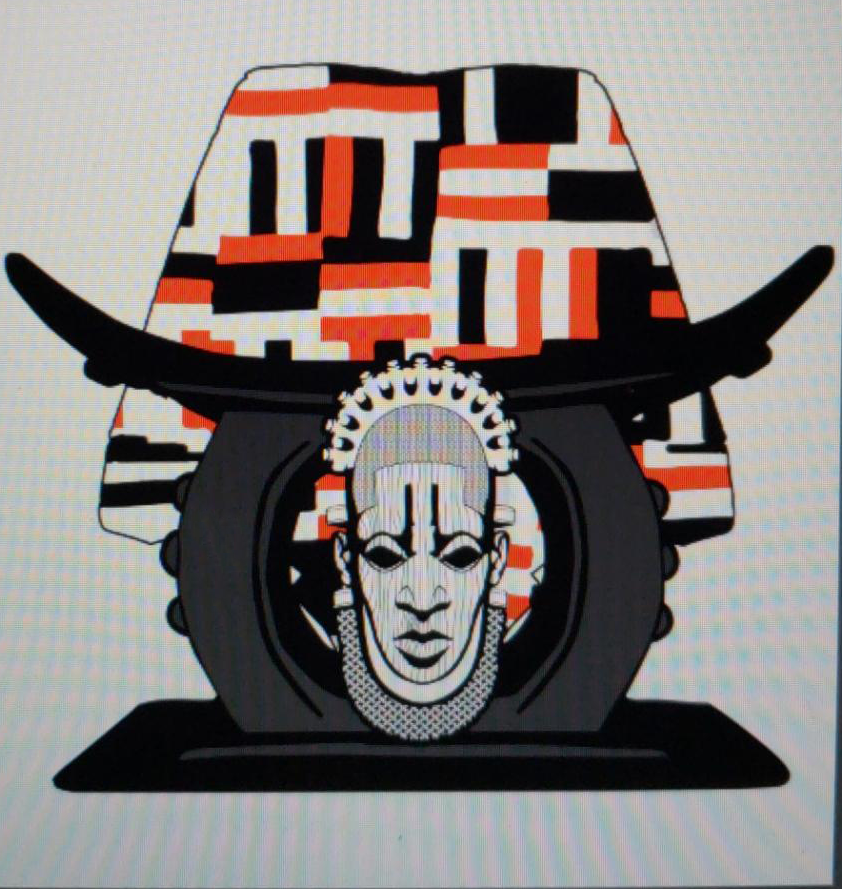
Across the world, ancestral practice has always been more than remembrance. From Yoruba Egungun tradition to Akan stool traditions, Obon, Dia de Muertos, Qingming, and Indigenous altar practices, enduring cultures maintained a living relationship with those who came before. This continuity was not decorative. It protected memory, identity, responsibility, and spiritual order.
Ancestral trauma healing begins when the living stop treating lineage wounds as private personality problems and begin seeing them as inherited patterns carried through families, cultures, and disrupted spiritual systems. The work restores relationship with the ancestors, repairs the broken chain of transmission, and gives the living a practical framework for clarity, protection, and responsibility.
In plain language, ancestral trauma healing is the process of identifying family patterns, unresolved grief, cultural rupture, spiritual heaviness, and repeated life blockages that may have roots beyond one person's lifetime.
The Egungun Priesthood of the Ancestors is devoted to communion with and honoring of the dead ancestors. In this tradition, the ancestors are not distant symbols. They are guardians and healers of the collective spirit of families and the soul of the community.
Ancestralization, Veneration, and Trauma Healing
Ancestralization is the formal process by which the dead are elevated, honored, and placed in right relationship with the living lineage. In Yoruba Egungun work, this may involve prayer, ritual, offerings, divination, and priestly intervention so that the deceased are properly situated as ancestors rather than left as unresolved spiritual burdens.
Ancestral veneration is the ongoing relationship: altar work, libation, prayer, remembrance, offerings, and the regular acknowledgment that a person is not self-created. The living stand inside a chain of blood, culture, spirit, choices, wounds, and victories.
Ancestral trauma healing brings these together. It asks: What pain has been passed down? What obligations were neglected? What cultural memory was interrupted? What unresolved grief, displacement, conversion trauma, violence, silence, addiction, or shame still moves through the family system?
Why This Work Heals
Modern Western culture often treats death as an ending, grief as a private psychological event, and family trauma as an individual burden. Ancestral systems understand the matter differently. The dead remain part of the moral, emotional, and spiritual field of the family. When the dead are ignored, dishonored, or unresolved, the living may carry confusion that does not begin with them.
Ancestral trauma healing creates a container where the unseen can be acknowledged without being feared. It allows the family line to be addressed with structure rather than denial, and with reverence rather than superstition.
The Benefits of Ancestral Trauma Healing
- Breaking Generational Cycles: Ancestral work helps expose inherited patterns of pain, silence, dysfunction, addiction, abandonment, and spiritual confusion so they can be named, corrected, and no longer repeated unconsciously.
- Improved Mental and Emotional Health: Many people experience anxiety, depression, heaviness, shame, or disconnection that is intensified by unresolved family and cultural wounds. Restoring ancestral relationship can bring relief, grounding, and emotional order.
- Spiritual Connection and Protection: Properly honored ancestors become sources of guidance, warning, protection, and support. The relationship gives the living a spiritual backing that individual effort alone cannot replace.
- Physical Healing and Nervous System Relief: Chronic stress, grief, and inherited survival patterns can live in the body. When emotional and spiritual burdens are addressed, the body often has more room to settle, recover, and reorganize.
- Self-Knowledge and Clarity: A person who understands lineage understands more of their own instincts, fears, gifts, and obligations. This clarity strengthens identity and reduces confusion about purpose.
- Restored Heritage and Pride: For African-descended people in the diaspora, ancestral work is also an act of cultural repair. It restores practices, names, memory, and dignity that colonization, enslavement, and religious displacement tried to sever.
- Cultivated Empathy: Honoring ancestors requires seeing them as whole human beings: wounded, brilliant, limited, surviving, loving, mistaken, and sacred. That vision deepens compassion for oneself and for the family line.
- Improved Relationships: When inherited relational patterns are brought into awareness, the living gain more freedom to choose different responses with parents, children, partners, elders, and community.
- Reclaimed Agency: Ancestral healing gives people a framework for understanding the roots of struggle and a ritual path for acting on that knowledge. This is spiritual sovereignty: not blaming the past, but governing the present with the ancestors properly seated.
The Role of Priesthood
Some ancestral work can begin at home through prayer, water, candle, photographs, names, and sincere remembrance. Other work requires trained priestly support. When there are repeated patterns of disruption, spiritual heaviness, unclear ancestral obligations, dreams, family breakdown, or a sense that the dead are not at peace, divination and formal ancestral service may be needed.
The priestly role is not to replace the person's relationship with their ancestors. It is to help diagnose, structure, and correct what the individual may not be able to see alone. The priest serves as a ritual specialist, cultural interpreter, and spiritual technician within the ancestral field.
How the Services Fit the Healing Path
Incarnation Objective Reading helps identify life purpose, spiritual agreements, ancestral influences, and the deeper pattern beneath present-life challenges.
Ancestral Ascension Accelerator is designed for focused work on intergenerational trauma bonds, ancestral disruption, and the restoration of proper relationship with the lineage.
Ancestral Priesthood Initiation is a deeper path for those called into disciplined ancestral service, spiritual jurisdiction, and long-term ritual responsibility.
Beginning the Practice
The threshold does not require initiation. Begin with what is clean, respectful, and sincere:
- Research your lineage as far as you can, including family stories, names, places, migrations, and silences.
- Create a simple ancestral space with water, light, photographs, and respectful prayer.
- Speak to the elevated dead and ask for clarity, protection, healing, and right relationship.
- Study the cultural traditions of your lineage, especially where language, ritual, and memory were interrupted.
- Seek trained support when patterns feel too heavy, repetitive, or spiritually unclear to address alone.
The ancestors are not distant. They are part of the architecture of life. The question is whether the living will restore the relationship with discipline, humility, and courage.
Explore Priest Services
View ancestral readings, ascension work, and initiation pathways for deeper lineage healing.
View Priest ServicesMeet the Priest Team
Learn about the spiritual leadership supporting ancestral healing, ritual work, and community restoration.
Priest Team