
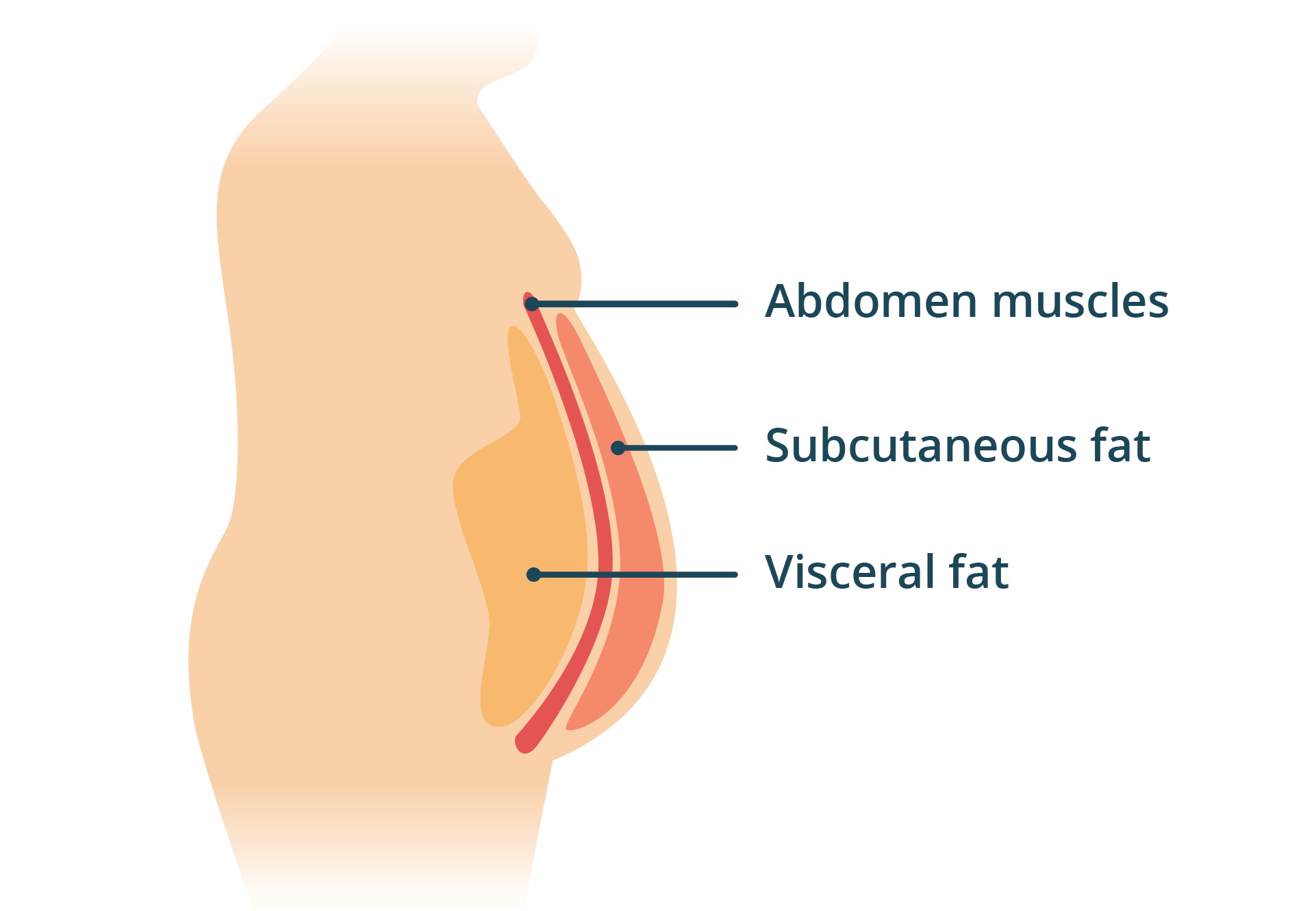
This is the science-forward companion to the Visceral Fat Intervention Map. It explains why the first interventions are sleep, movement, protein, stress regulation, and meal rhythm.
Choose Your Version
- Procedural version
- Science and mechanism version
Visceral fat is metabolically active tissue. It is associated with inflammatory signaling, insulin resistance, fatty liver risk, and cardiometabolic strain.
Insulin Resistance and Meal Rhythm
Frequent high-glucose meals and snacking can keep insulin elevated and make fat mobilization harder. Protein, fiber, meal spacing, and carbohydrate timing help reduce the roller coaster.
Post-Meal Movement
Walking or moving after meals helps muscles take up glucose. This can reduce the post-meal glucose burden without needing extreme exercise.
Sleep and Cortisol
Poor sleep and chronic stress can raise appetite, cravings, glucose instability, and abdominal fat risk. Cortisol is not evil, but poorly timed cortisol can work against the waistline.
Muscle as a Glucose Sink
Strength training matters because muscle stores glucose and improves metabolic flexibility. More active muscle gives the body a better place to send fuel.
Science-Honest Summary
The intervention map begins with ordinary levers because ordinary levers control the largest repeated signals: sleep, stress, movement, protein, alcohol, meal timing, and training.
Health Disclaimer
This page is educational coaching content only. It is not medical advice, obesity treatment, diabetes care, nutrition therapy, or diagnosis. People with diabetes, cardiovascular disease, kidney disease, liver disease, pregnancy concerns, eating disorder history, medication interactions, or medical supervision needs should consult qualified health professionals.