
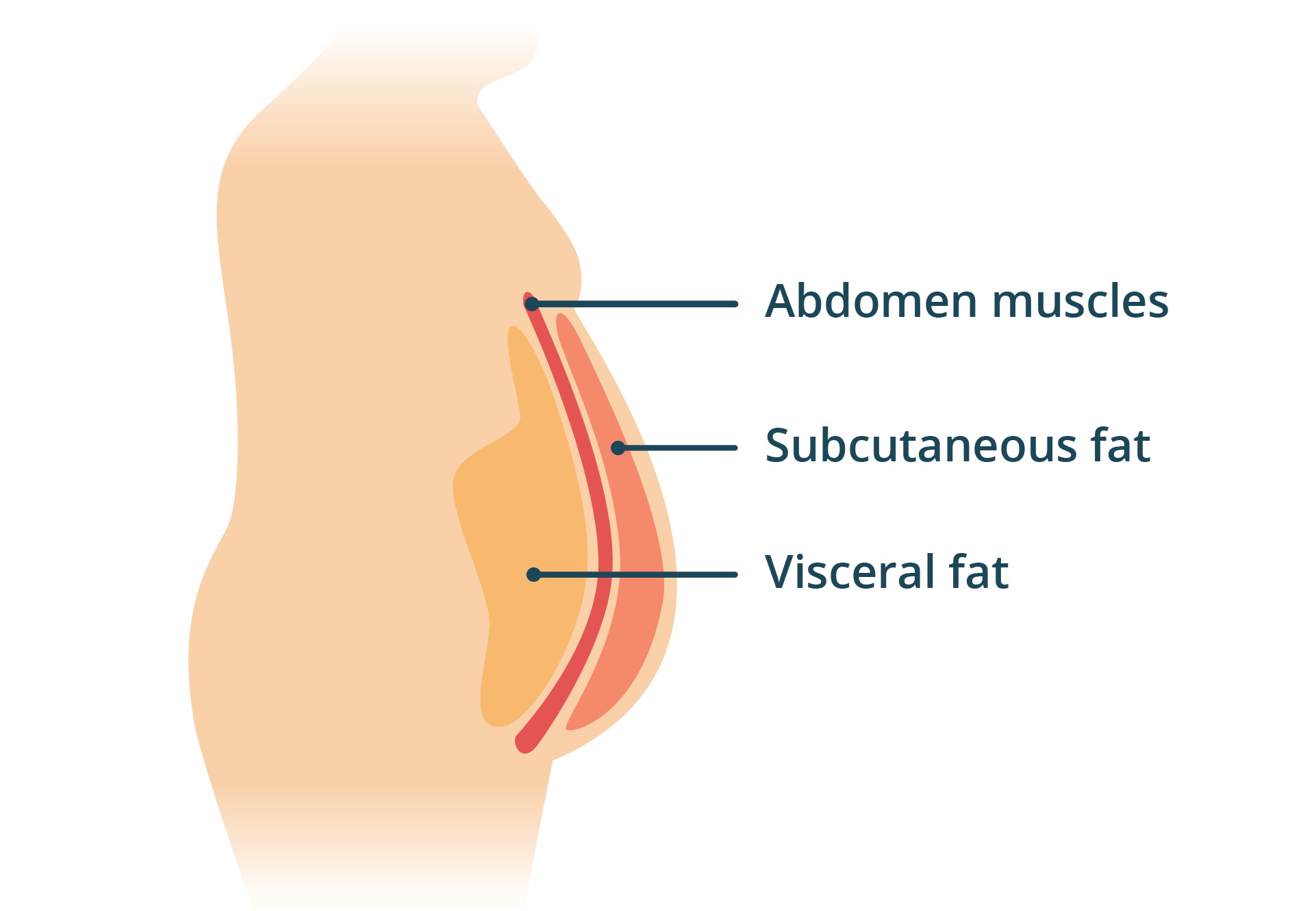
The Visceral Fat Intervention Map is a health-coaching guide for people who need order, not another random list of tips.
Visceral fat is not only a stomach issue. It is often a lifestyle pattern issue: sleep disruption, stress chemistry, blood sugar instability, low movement after meals, overeating, alcohol, weak protein intake, poor evening rhythm, and inconsistent discipline.
The purpose of this page is to show which interventions usually belong near the front of the line. It is not a medical diagnosis, and it is not a substitute for a physician, registered dietitian, or qualified health professional.
Choose Your Version
- Procedural version
- Science and mechanism version
The Core Principle
Start with the interventions that change daily physiology without creating more stress.
That means the first layer is not extreme dieting. It is post-meal movement, better sleep, cleaner eating rhythm, protein adequacy, and reducing the evening conditions that keep insulin, cortisol, and appetite patterns working against the body.
Highest-Impact Interventions
Post-meal movement: walk or move for 10 to 15 minutes after meals. This supports glucose handling through muscle activity and helps keep the meal from becoming a long blood sugar problem.
Sleep protection: protect sleep and work to prevent 3am wakeups. Poor sleep can drive hunger, stress chemistry, cravings, and poor discipline the next day.
Short sprint or interval work: for people medically cleared to train, brief sprint-style work once or twice weekly may be more useful than endless chronic cardio. The point is intensity with recovery, not punishment.
Protein adequacy: eat enough protein to preserve muscle and support satiety, muscle retention, and better food discipline.
Evening carb timing: stop heavy carbohydrate intake roughly three hours before bed when that pattern is disrupting sleep, appetite, or glucose rhythm.
Supportive Evening Tools
Some people also use evening supports such as magnesium, glycine, apple cider vinegar before meals, psyllium husk, breathing resets, gratitude practice, warm showers, or morning salt and water. These are support tools, not the foundation.
Supplements require caution. Magnesium, glycine, apple cider vinegar, phosphatidylserine, psyllium, and other tools can interact with medical conditions, medications, digestion, blood pressure, blood sugar, kidney function, or sleep patterns. They should be treated as optional supports, not universal prescriptions.
Cortisol, Stress, and the Body
Stress does not only happen in the mind. It changes sleep, appetite, cravings, blood sugar rhythm, training recovery, and decision-making. This is why the intervention map includes nervous-system work such as breathing, grounding, gratitude practice, evening wind-down, and better sleep rhythm.
The point is not to chase cortisol as a single villain. The point is to reduce the pattern where stress, sleep loss, appetite, and poor food timing reinforce each other.
How This Connects to Coaching
This page belongs under health coaching because the real issue is usually behavior structure. A person may know what to do but still fail because the day has no rhythm, the evening has no boundary, stress has no release valve, and the morning begins in reaction.
The Life Management Manual helps organize the larger structure. Life / Sovereignty Coaching helps apply the structure when discipline, emotions, schedule, food, sleep, and motivation keep breaking apart.
The Morning Coffee Visceral Fat Health Hack can be used as a simple entry point. This intervention map is the broader health-coaching view.
Health Disclaimer
This page is educational coaching content only. It is not medical advice, diagnosis, treatment, nutrition therapy, or a guaranteed fat-loss plan.
If you have cardiovascular disease, high blood pressure, diabetes, kidney disease, liver disease, pregnancy concerns, reflux, insomnia, anxiety or panic symptoms, eating disorder history, medication interactions, or any condition requiring medical supervision, speak with a qualified health professional before changing caffeine, supplements, diet, fasting, exercise, or sleep protocols.
Stop any practice that causes chest pain, severe dizziness, faintness, palpitations, severe anxiety, worsening reflux, unsafe blood sugar symptoms, or any symptom that feels medically concerning.
Research and Safety Links
- CDC: Physical Activity Guidelines for Adults
- NIDDK: Weight Management
- CDC: About Sleep
- FDA: Caffeine Safety
- NCBI Bookshelf: Caffeine
The Outcome
The goal is not to do everything at once. The goal is to choose the smallest high-impact changes that can hold.
Move after meals. Protect sleep. Eat enough protein. Clean up the evening. Regulate stress. Train with intelligence. Then build the rest around what your body can sustain.