This page is a consumer-protection health coaching guide.
The question is simple: do waist-reducing gels, hot creams, sweat wraps, or waist trainers actually remove belly fat or visceral fat?
The straight answer is no.
They may change how the waist looks for a short time. They may make the skin feel hot, tight, smooth, or compressed. They may make a person sweat. But they do not remove visceral fat, and they do not create reliable, lasting waist loss.
Choose Your Version
- Procedural version
- Science and mechanism version
The Core Misunderstanding
People confuse sensation with fat loss.
A hot cream can burn on the skin. A waist trainer can compress the midsection. A sweat wrap can make the area wet. But fat loss is not the same as heat, pressure, sweat, or temporary water loss.
Real fat loss requires the body to use stored energy over time. Visceral fat sits deep inside the abdomen around the organs. A topical gel on the skin cannot reach that layer and burn it away.
Waist-Reducing Gels and Hot Creams
Most waist gels are built around a simple formula: hydration, heat, irritation, fragrance, and texture.
Moisturizers such as glycerin or hyaluronic ingredients can make skin look smoother or tighter. Heating agents and essential oils can create a hot or tingling sensation. Massage can increase circulation. Sweating can create a temporary change in measurement.
That is cosmetic effect, not metabolic fat loss.
If a cream truly removed visceral fat, it would not be sold as a small cosmetic product. It would be one of the most powerful medical discoveries in the world. The reason it has not replaced diet, training, sleep, and medical weight management is because the body does not work that way.
Waist Trainers
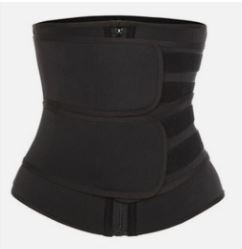
Waist trainers are aesthetic compression gear. They can make the waist look smaller while they are being worn. They may also reduce appetite for a short period because the body is compressed.
But they do not burn belly fat. They do not permanently reshape the waist in a healthy way. They do not remove visceral fat. Once the compression comes off, the body returns to its natural structure.
Long-term dependence can also work against the body by restricting breathing, reducing normal core use, irritating digestion, and creating a false sense of support.
Waist Trainers Are Not Weight Belts
A waist trainer should not be used as a substitute for a lifting belt.
A real weight belt helps a trained lifter brace outward and create intra-abdominal pressure under load. A waist trainer compresses inward, limits breathing, and does not provide the rigid structure needed for heavy lifting.
For strength training, that difference matters. A waist trainer is for appearance. A lifting belt is a performance and support tool when used properly.
The Myth of Spot Waist Loss
Spot reduction is the idea that you can choose one body area and force fat to leave that one area through creams, wraps, compression, or special exercises.
That is not how fat loss works.
The body reduces fat through systemic changes: food structure, calorie balance, protein intake, resistance training, conditioning, sleep, stress regulation, alcohol reduction, insulin control, and consistency. The waist may shrink, but it shrinks because the whole metabolic pattern changes.
What Actually Reduces Waist Size
The reliable path is not glamorous, but it works better than tricks.
Build food structure. Eat enough protein. Walk after meals. Train with resistance. Sleep better. Reduce stress patterns. Avoid turning the evening into a sugar and alcohol window. Build a morning rhythm. Keep the process consistent long enough for the body to respond.
This connects directly to the Visceral Fat Intervention Map and the Morning Coffee Visceral Fat Health Hack.
Health Disclaimer
This page is educational coaching content only. It is not medical advice, diagnosis, treatment, nutrition therapy, or a guaranteed fat-loss plan.
If you have cardiovascular disease, high blood pressure, diabetes, reflux, pregnancy concerns, breathing issues, pain with compression, medication interactions, eating disorder history, or any condition requiring medical supervision, speak with a qualified health professional before using compression garments, changing diet, training, supplements, caffeine, or weight-loss practices.
Do not use waist trainers or compression products during heavy lifting, intense conditioning, sleep, illness, pregnancy, breathing difficulty, chest discomfort, dizziness, reflux flareups, or pain.
Research and Safety Links
- CDC: Physical Activity Guidelines for Adults
- NIDDK: Weight Management
- Mayo Clinic: Belly Fat and Why It Matters
- Cleveland Clinic: Waist Trainers - What You Should Know
The Outcome
The point is not to shame anyone for wanting to look better. The point is to stop confusing appearance tools with body-change tools.
Use shapewear as shapewear if you choose. Do not confuse it with fat loss.
For real waist reduction, build the system: food, training, sleep, stress, movement, and discipline.