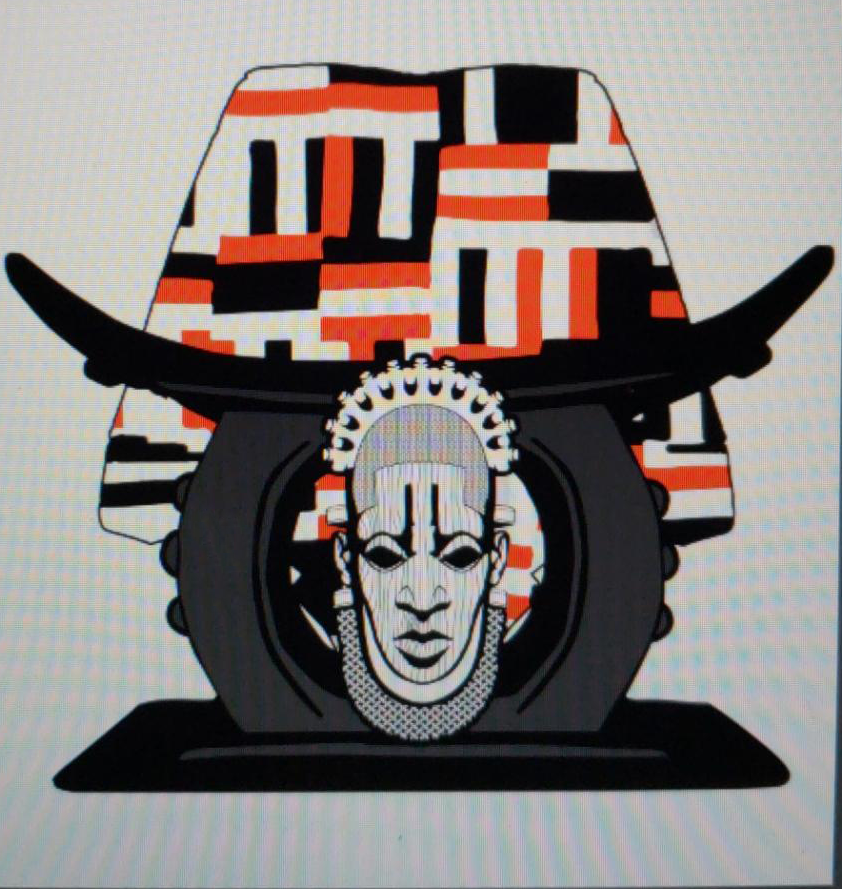
From the Yorùbá of West Africa, to the Akan of Ghana, to indigenous traditions across Asia, the Americas, and Oceania — ancestral veneration is one of the most universal spiritual practices in human history. It is not coincidence. Every culture that has endured across generations maintained a living, reciprocal relationship with those who came before.
In the modern Western world, this practice has been nearly eliminated — replaced by grief counseling that ends, cemeteries that are rarely visited, and a cultural silence around death. The result is a generation of disconnected people carrying ancestral wounds with no framework to address them.
Ancestralization — the intentional practice of elevating, honoring, and maintaining active relationship with your ancestors — is not a superstition. It is a technology of healing and empowerment that has been field-tested across millennia.
What Is Ancestralization?
Ancestralization is the formal process by which a recently deceased person is guided, through ritual, into their proper place in the ancestral realm — and from there, becomes a powerful advocate and protector for their living descendants. In the Yorùbá Egúngún tradition, this process is facilitated by a trained priest who performs the necessary ceremonies, prayers, and offerings to ensure this transition is complete.
Equally important is the ongoing practice of ancestral veneration — the regular acknowledgment of one's lineage through altar work, libations, prayer, and intentional remembrance. This is not a one-time event. It is a living relationship.
Why Ancestral Veneration Heals: The Evidence Across Traditions
The consistency of ancestral practice across cultures that had no contact with each other suggests these traditions emerged from direct human experience of their effectiveness. Consider:
- Yorùbá / Egúngún (West Africa): Ancestors are consulted for major life decisions, invoked for protection, and honored through masquerade ritual. Lineage disruption is treated as a spiritual emergency.
- Akan (Ghana / Ivory Coast): The concept of Sunsum (ancestral spirit) and stools passed down through generations embody continuous ancestral presence in community life.
- Japanese Obon (Shinto/Buddhist): Annual festival welcoming ancestral spirits home. Families clean graves, light lanterns, and host the ancestors for several days each year.
- Día de Muertos (Mexico): A deeply rooted indigenous practice of building home altars, preparing ancestral foods, and celebrating those who have died — preserving intergenerational connection.
- Chinese Qingming: A Confucian tradition of ancestral grave sweeping and offerings that has persisted for over 2,500 years, understood as the foundation of family and social harmony.
The pattern is clear: cultures that maintained ancestral practices maintained lineage cohesion, cultural identity, and multigenerational resilience. The disconnection from these practices is recent — and the psychological consequences are visible.
The Proven Benefits of Ancestral Practice
- Breaking Generational Cycles: The formal acknowledgment of ancestral trauma creates a container for its release, ending inherited patterns of pain and dysfunction that no amount of personal therapy can fully address.
- Improved Mental and Emotional Health: Practitioners consistently report relief from anxiety, depression, and a pervasive sense of spiritual "heaviness" that lifts when ancestral relationships are restored.
- Spiritual Connection and Protection: Properly honored ancestors become active guardians — interceding in ways that manifest as protection, opportunity, and guidance in the living person's life.
- Physical Healing: The mind-body connection is undeniable. When the spiritual and emotional bodies are brought into alignment through ancestral work, physical symptoms linked to chronic stress and unresolved grief often shift.
- Self-Knowledge and Clarity: Understanding where you come from — the real story of your lineage — creates an anchor for identity that confusion, depression, and cultural displacement cannot easily disrupt.
- Restored Heritage and Pride: For those of African descent in the diaspora, reconnecting with ancestral tradition is an act of decolonization. It reclaims what was deliberately severed and restores pride, purpose, and power.
- Cultivated Empathy: Holding space for the suffering of your ancestors — seeing them as full human beings with dreams, fears, and limitations — expands emotional capacity and fosters profound self-compassion.
- Improved Relationships: The relational wisdom, conflict resolution frameworks, and elder-youth dynamics embedded in ancestral traditions heal the relational patterns that repeat across generations.
- Reclaimed Agency: Perhaps most importantly — ancestralization gives individuals the framework to understand the root causes of their struggles and the tools to act upon them. This is spiritual sovereignty.
Beginning Your Ancestral Practice
The threshold to ancestral work does not require initiation to begin. You can start where you are:
- Research your lineage — however far back you can trace it
- Create a simple ancestral space (photos, a glass of water, a white candle) and speak to those who came before
- Learn the language and traditions of your lineage — for those of Yorùbá descent, this may mean beginning with language study
- Work with a trained practitioner to identify and address specific lineage disruptions
The ancestors are not distant. They are listening. The question is whether we are ready to speak.
Work with Our Priest
Our Egungun Priest offers divination, ancestral ascension services, and full initiation pathways for those called to deeper lineage work.
View Priest ServicesDeepen Your Cultural Roots
Begin the practical work of cultural reconnection through Yorùbá language study — one of the most powerful forms of ancestral healing available today.